Topic A.1 Communication
IB SEHS Study Guide
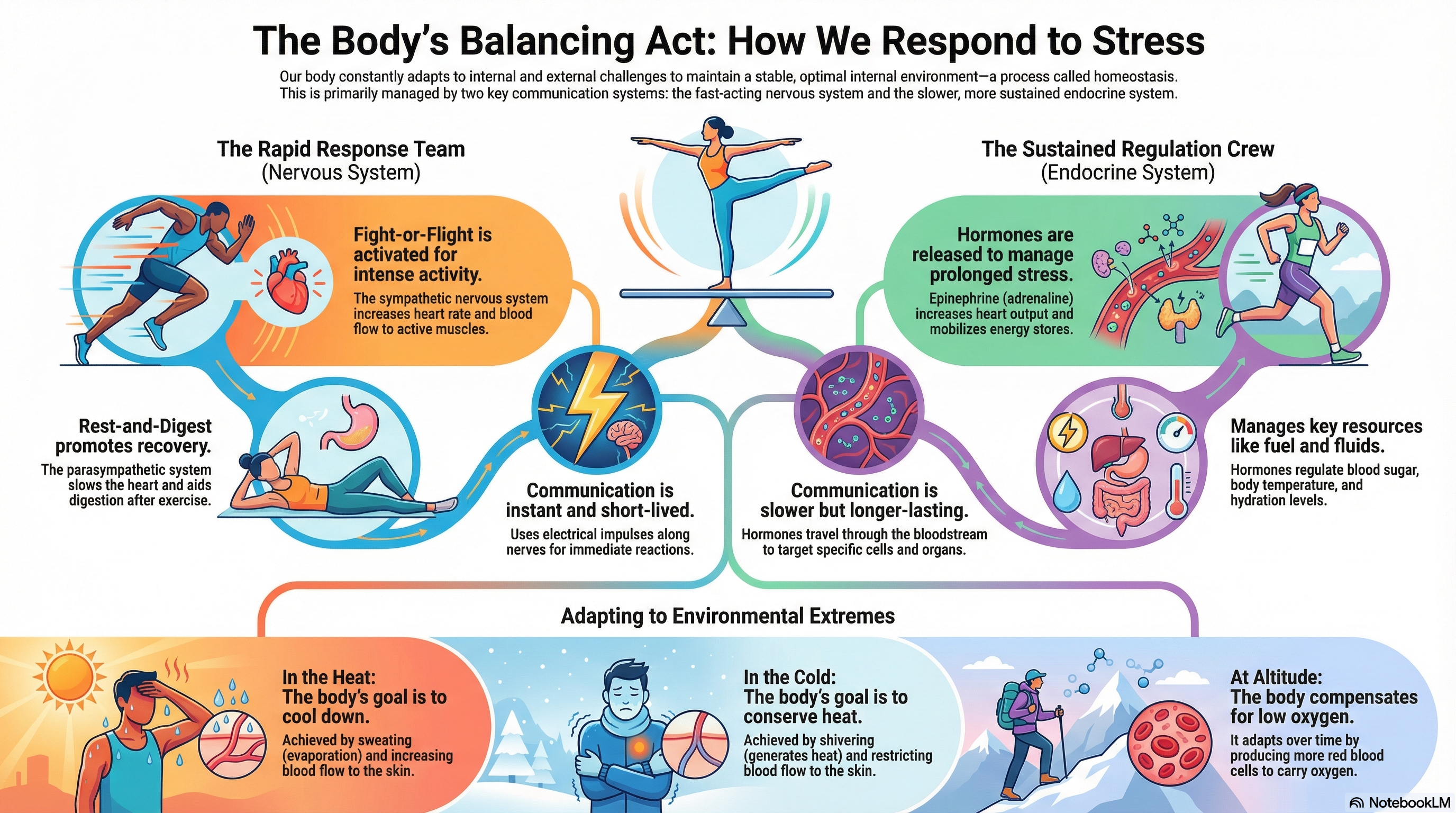
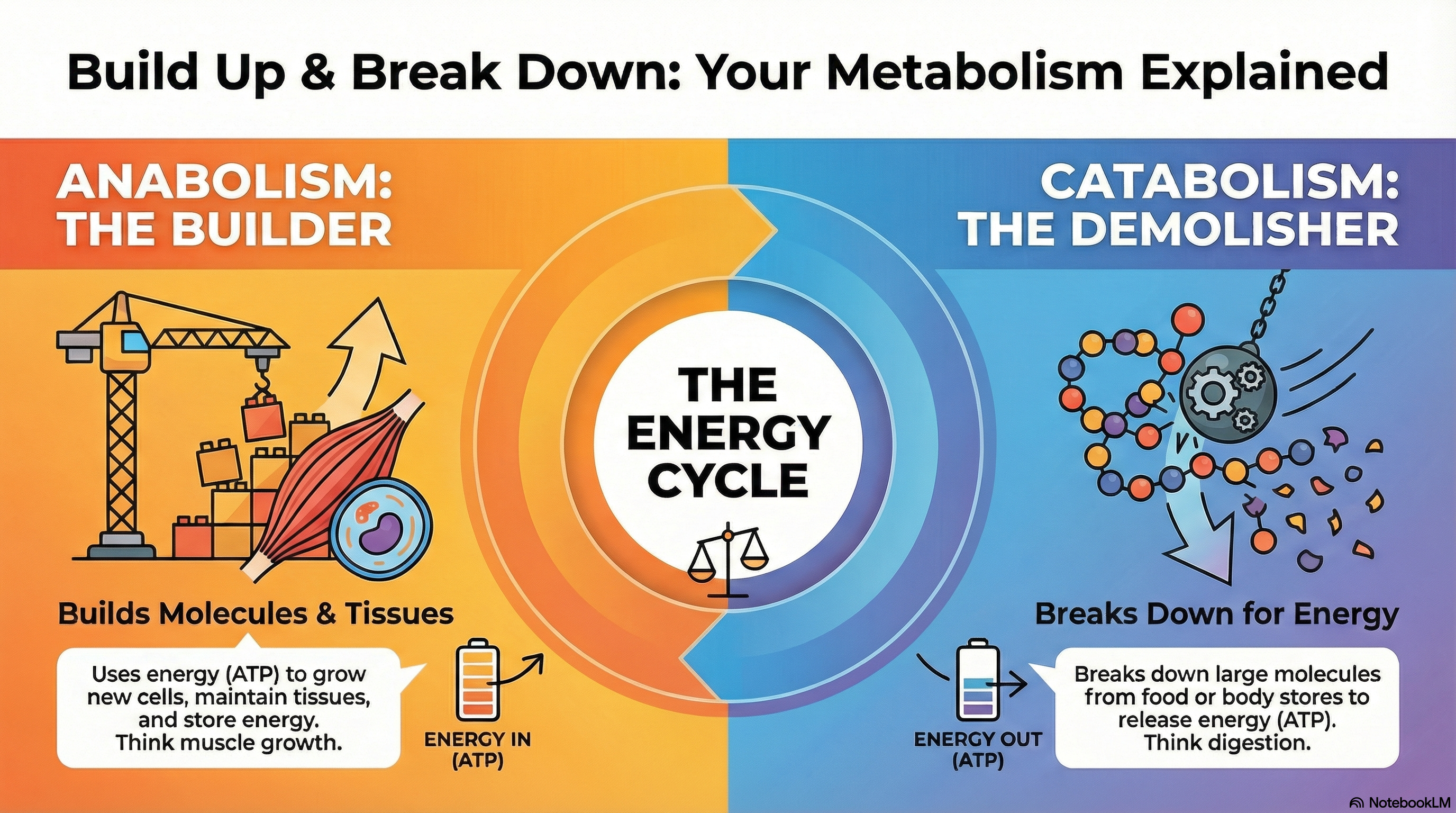
Mastering the specific vocabulary of exercise physiology is fundamental for clear and precise communication in your IB SEHS exams. These terms are not just words to memorize; they are the building blocks for understanding how the body's intricate systems communicate and interact to maintain stability and achieve peak performance. A firm grasp of this terminology will enable you to construct sophisticated and accurate responses.
The key terms for this topic can be grouped by their core functions:
Seeing how these terms are applied is best demonstrated within the context of the exam structure itself.
IB command terms are precise directives that tell you exactly what is expected in your answer. Misinterpreting a command term is a common reason for losing marks, even if you know the content well. Understanding the specific demand of each term is key to crafting high-scoring answers that directly address all parts of the question.
Here are some key command terms you will encounter, with examples relevant to this topic:
| Command Term | IB Definition | Topic Example |
|---|---|---|
| Describe | Give a detailed account or picture of a situation, event, pattern or process. | Describe how cross-system communication occurs to maintain homeostasis. |
| Explain | Give a detailed account including reasons or causes. | Explain why integration between body systems is essential for health and performance to be developed and maintained. |
| Analyse | Break down in order to bring out the essential elements or structure. | Analyse the role of the endocrine system in maintaining blood glucose levels during exercise. |
| Evaluate | Make an appraisal by weighing up the strengths and limitations. | Evaluate the utility and validity of using wearable technology to gain insights into the functions of the human body. |
| Discuss | Offer a considered and balanced review that includes a range of arguments, factors or hypotheses. Opinions or conclusions should be presented clearly and supported by appropriate evidence. | Discuss how manipulating environmental conditions can be used to optimize health and performance. |
These command terms are the tools you will use to demonstrate your understanding of the core content that follows.
This topic is framed by the guiding question: "How does the body send and receive information about its internal environment to maintain optimal functioning conditions?" At its core, Topic A.1 explores the body not as a collection of separate parts, but as a single, complex, and integrated system where constant communication is essential for survival, health, and performance.
A.1.1 Inter-system communication
The Nervous System
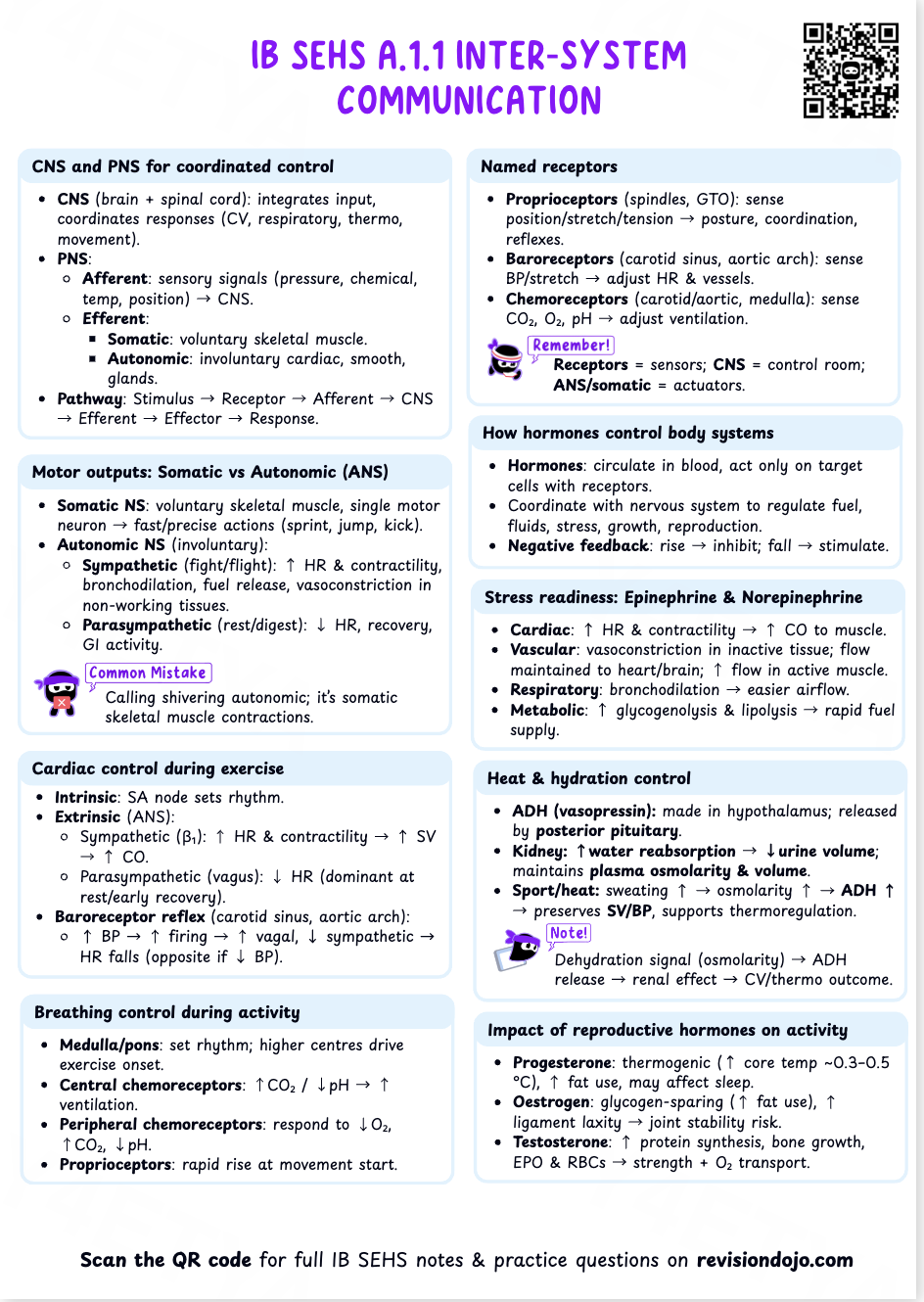
- Function: The nervous system senses internal and external conditions to coordinate the body's physiological responses. It acts like a central computer that integrates information and signals organs to take action.
- Three Basic Functions:
- Sensory: Detects internal stimuli (e.g., blood acidity) and external stimuli.
- Integrative: Analyzes sensory information, stores some of it, and makes decisions for responses.
- Motor: Responds to integration decisions by carrying information from the brain to the spinal cord and muscles.
- Structure:
- Central Nervous System (CNS): Consists of the brain and spinal cord.
- Peripheral Nervous System (PNS): Consists of all nerves outside the brain and spinal cord. It is divided into sensory (afferent) and motor (efferent) nerves.
- Motor Divisions:
- Somatic: Controls voluntary movements of skeletal muscles.
- Autonomic: Regulates unconscious, visceral functions like heart
rate and digestion. This is further divided into:
- Sympathetic: Activates the "fight or flight" response (e.g., accelerates heart rate, dilates pupils).
- Parasympathetic: Promotes "rest and digest" (e.g., slows heart rate, stimulates digestion).
- Brain Components:
- Brain Stem: Connects the brain and spinal cord; relays sensory/motor messages and controls subconscious postural control.
- Cerebellum: Governs balance and coordinates skilled movements.
- Diencephalon: Contains the thalamus (consciousness/sensations) and hypothalamus (homeostasis, temperature regulation).
- Cerebrum/Cerebral Cortex: The location of sensory input processing; responsible for decision-making, memory, and high-level functions.
The Endocrine System
- Function: Regulates biological processes using glands and hormones. Hormones are chemical messengers delivered to cells throughout the body via circulating blood.
- Regulation:
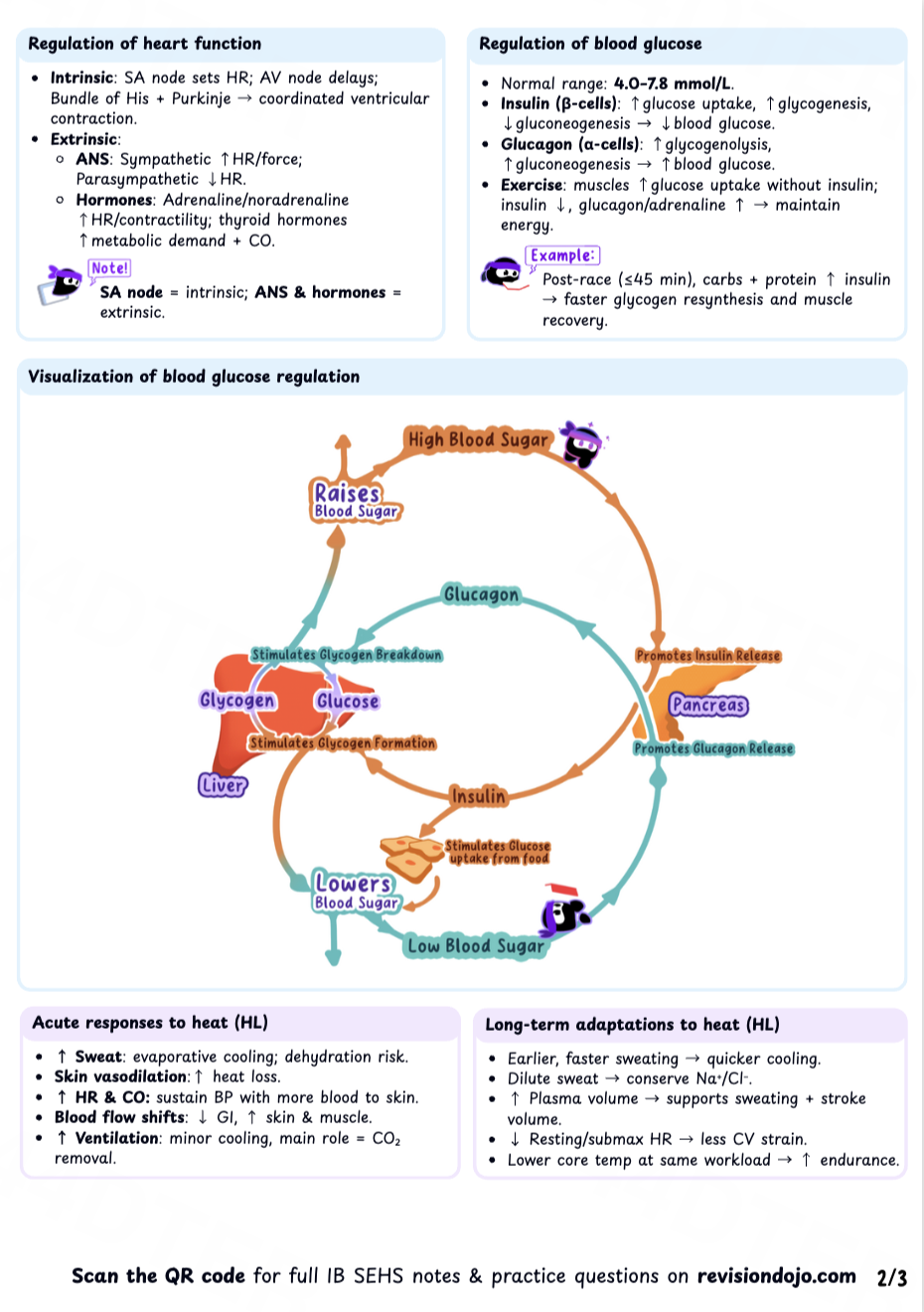
- Blood Glucose: Insulin and glucagon regulate blood glucose as part of a feedback mechanism. During exercise, insulin release is limited, while glucagon helps mobilize substrates.
- The Master Gland: The pituitary gland secretes hormones to stimulate or inhibit other organs, though it is largely controlled by the hypothalamus.
- Hydration: Low fluid levels trigger the hypothalamus to signal the pituitary gland to release antidiuretic hormone (ADH), increasing water reabsorption in the kidneys.
A.1.2 Maintaining homeostasis
Homeostasis Fundamentals
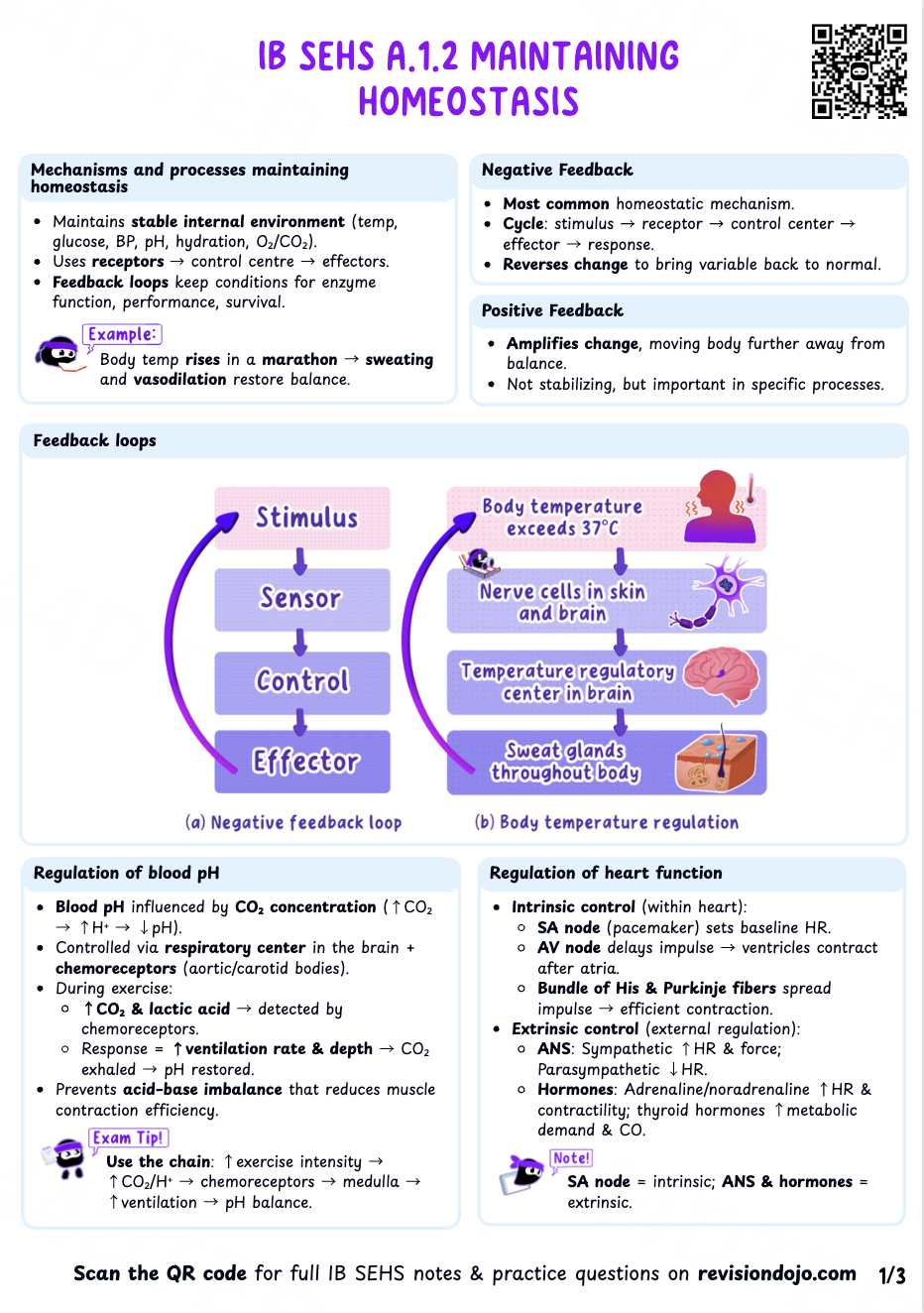
- Definition: Homeostasis is the self-regulating biological process aiming to produce a relatively constant internal environment despite changing external conditions.
- Variables: The body regulates variables such as core temperature, blood pH, blood pressure, and blood glucose concentration.
- Mechanism: It generally operates via negative feedback mechanisms. For example, baroreceptors detect blood pressure changes and send messages to the brain to adjust heart rate and vasodilation/constriction to restore balance.
Responses to Environment (AHL - Additional Higher Level)
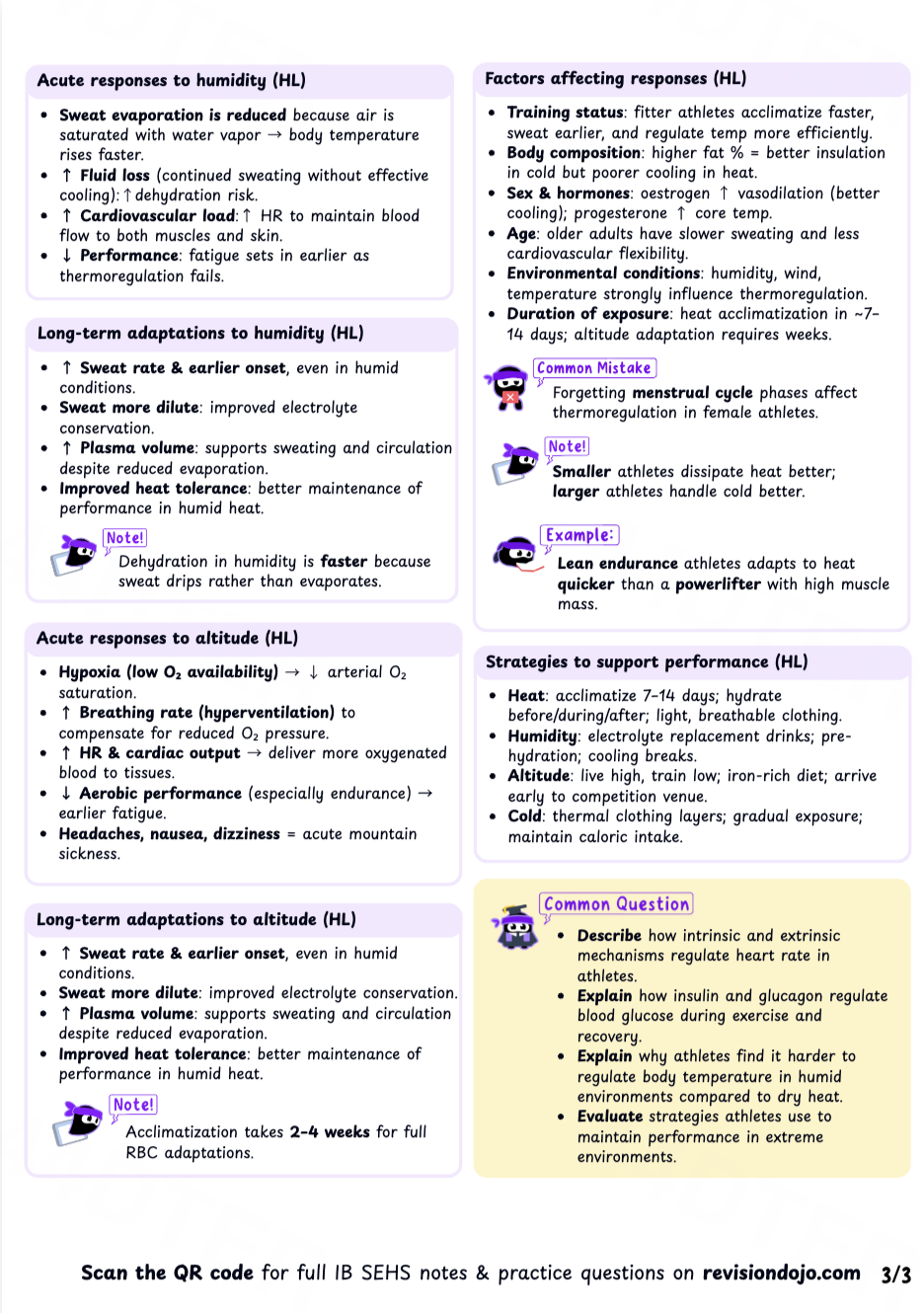
- Heat Stress:
- Physiological responses include the evaporation of sweat and vasodilation (widening of blood vessels) to lose heat.
- Hyperthermia, heat exhaustion, and heat stroke are risks during exercise in hot conditions.
- Cold Stress:
- Responses include vasoconstriction (narrowing of blood vessels) to retain heat and shivering to generate heat.
- Hypothermia occurs when the core body temperature drops significantly.
- Acclimatization:
- Heat: Chronic adaptations include increased plasma volume, earlier onset of sweating, and a more dilute sweat composition (less electrolyte loss).
- Altitude: Ascending to altitude introduces lower partial pressure of oxygen (PO₂), leading to hypoxia. Acute responses include increased ventilation and heart rate.
A.1.3 Transport
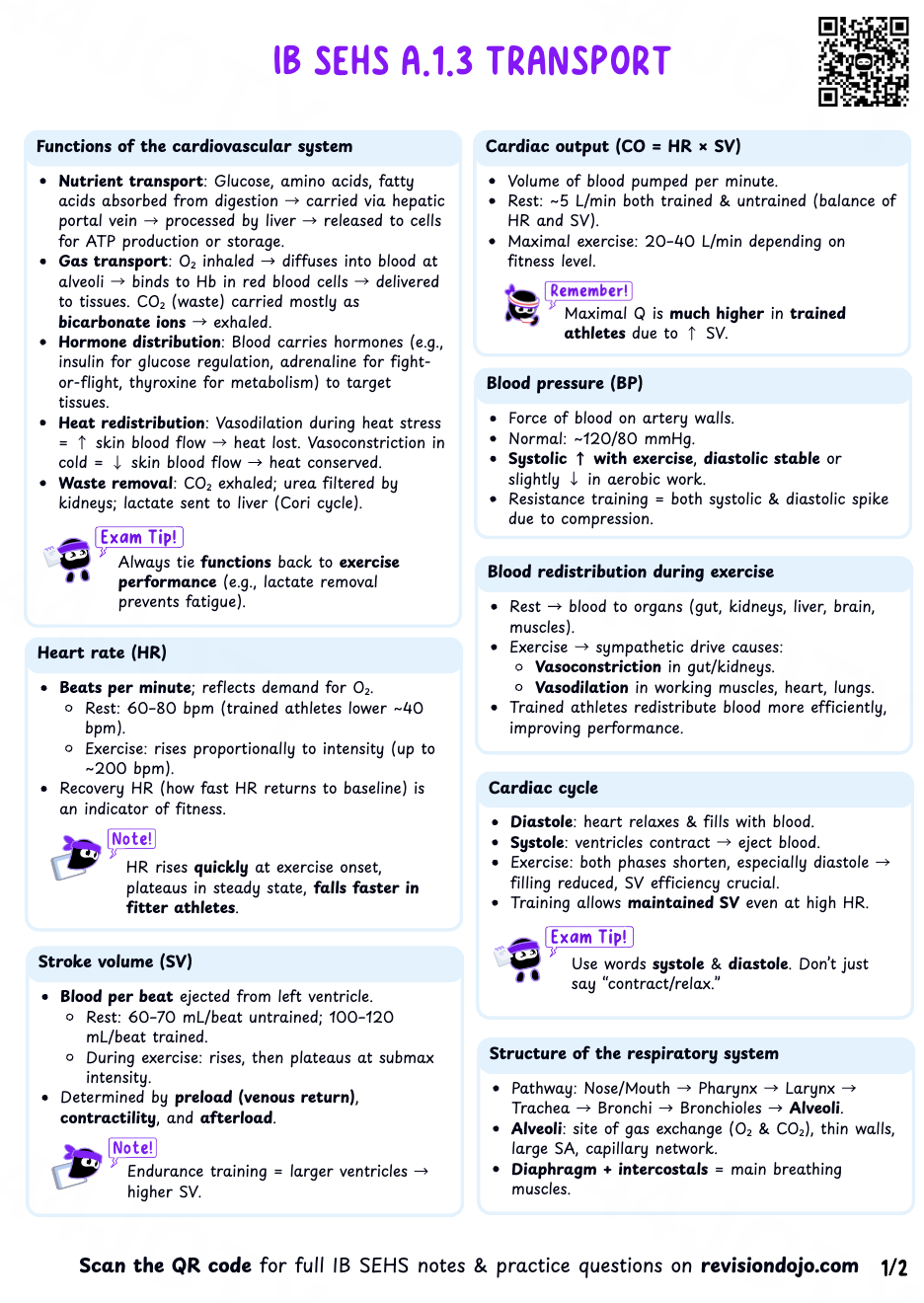
Cardiovascular System
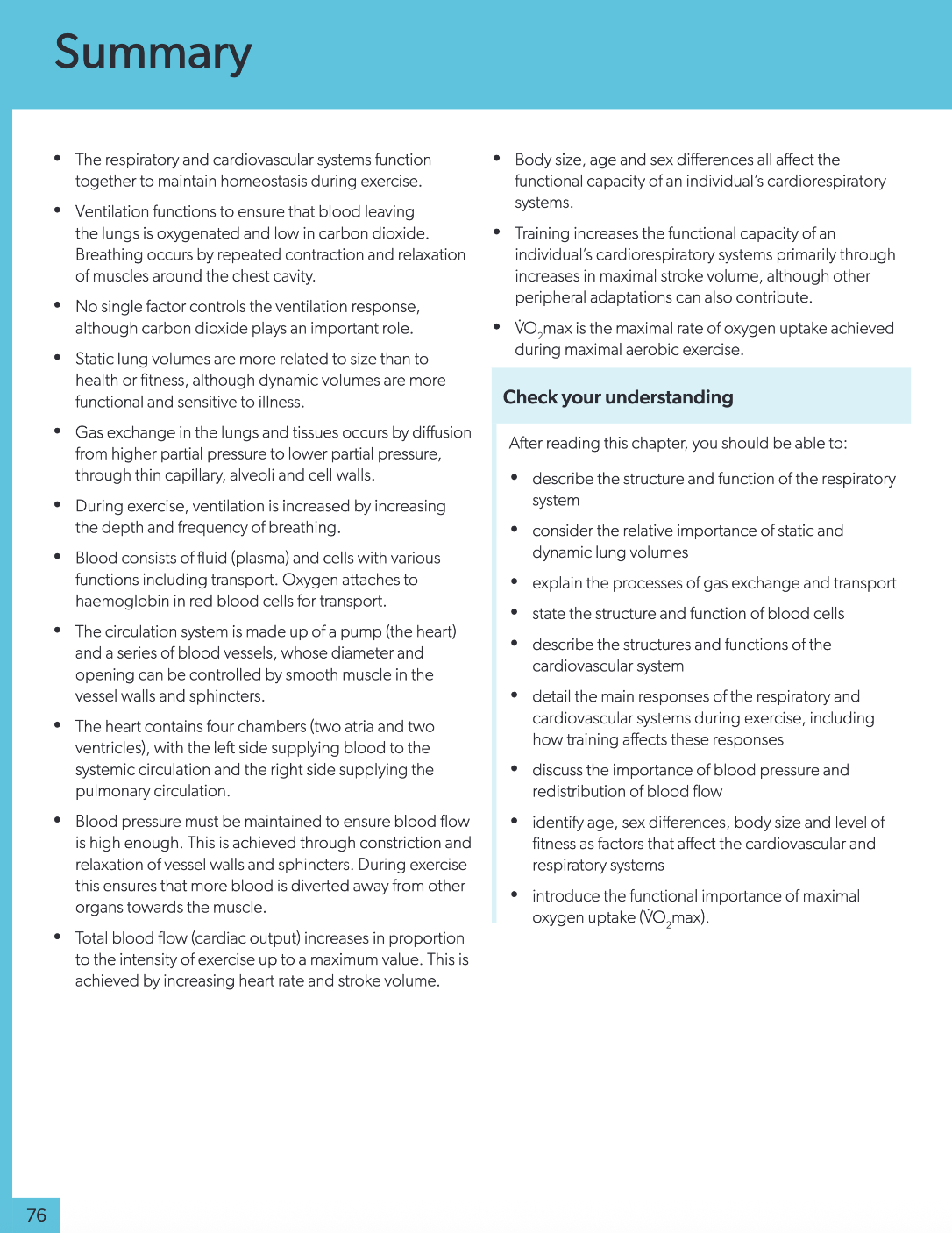
- Key Metrics: Heart rate, stroke volume, cardiac output, and blood pressure vary depending on factors such as age, sex, body size, and fitness level.
- Function: This system transports oxygen, nutrients, hormones, and waste products; it is essential for regulating temperature and pH.
- Structure: The heart consists of atria (receiving chambers) and ventricles (pumping chambers).
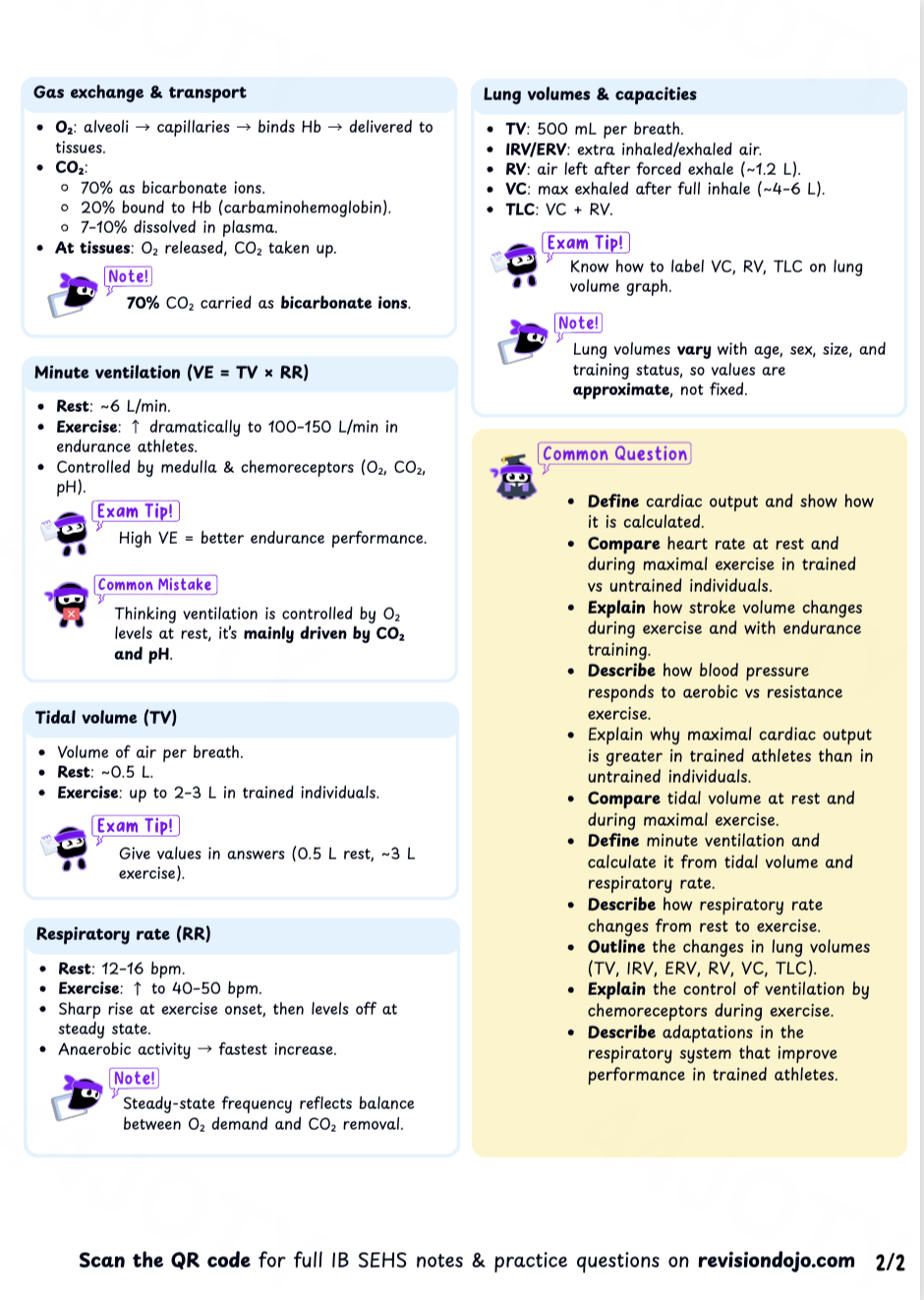
Respiratory System
- Function: The mechanics of breathing enable gaseous exchange to support health and performance.
- Key Metrics: Minute ventilation, tidal volume, and respiration rate vary based on activity intensity and physical characteristics.
- Gas Exchange: Oxygen is transported from the lungs to the blood, and carbon dioxide is removed from tissues to the lungs.
Now that you have reviewed the core content, let's apply this knowledge through exam-style questions.
Applying your knowledge through practice is the best way to solidify your understanding and prepare for the demands of the IB exams. Because the source material for this guide is a Teacher Support Material, these questions are designed to model the exam format and test your grasp of the core concepts presented in the text.
(Source: Created based on facts in the SEHS Support Material)
Why A is wrong: The source argues against learning about systems in isolation, stating that "applying the learning in context and in relation to other body systems allows for a deeper conceptual understanding."
Why B is wrong: While wearable technology collects data on system function, it is a tool for observation, not the reason for system integration.
Why D is wrong: The source indicates systems are interconnected, stating that what happens in one system can "directly and indirectly affect another," contradicting the idea of independent up-regulation.
Why A is wrong: The source implies wearable technology is used to gain insights into body functions, which often involves activity. It does not state it cannot be used during activity.
Why B is wrong: The source does not limit wearable technology to a single system. It refers to monitoring the "function of a body system" in general terms.
Why D is wrong: Monitoring biometric data is the primary way to gain insight into up-regulation or down-regulation; the text does not state the technology is incapable of this.
Why A is wrong: Homeostasis is the overall process of maintaining optimal conditions, which may involve either up or down-regulation. It is not the specific term for decreasing activity.
Why B is wrong: Up-regulation is the opposite process, where a system's activity is increased.
Why C is wrong: Feedback is the information sent to the brain that triggers regulation; it is not the regulatory process itself.
Why B is wrong: While other hormones are involved in bodily functions, the source text for Topic A.1 specifically names insulin and glucagon in the context of interacting with energy systems to maintain blood glucose during exercise.
Why C is wrong: While other hormones are involved in bodily functions, the source text for Topic A.1 specifically names insulin and glucagon in the context of interacting with energy systems to maintain blood glucose during exercise.
Why D is wrong: While other hormones are involved in bodily functions, the source text for Topic A.1 specifically names insulin and glucagon in the context of interacting with energy systems to maintain blood glucose during exercise.
The questions below provide insight into the types of challenges you will face in Paper 1B. Unlike standard knowledge checks, this component places a distinct emphasis on data analysis and experimental work.
Success in Paper 1B requires you to apply the "Nature of Science" (NOS) skills—such as evaluating methodologies, interpreting graphs, and understanding study design—rather than simply recalling course content.
To access a complete archive of true past papers and exemplar materials for Paper 1B, please use the resource link below.
[No data-based questions for Topic A.1 Communication could be generated as no relevant figures, tables, or specific studies were present in the provided source context.]
Answering data-based questions effectively often requires mathematical skills to process and analyze the provided information.
A strong foundation in quantitative skills is essential in SEHS for analyzing experimental data, validating findings, and interpreting scientific literature. While this topic is conceptual, the data collected from monitoring systems (e.g., via wearable tech) would require mathematical analysis in a real investigation.
No specific mathematical formulas for Topic A.1 Communication were identified in the source text. General mathematical skills such as calculating means, standard deviation, and applying statistical tests are discussed in the source as applicable to the entire SEHS course.
Beyond quantitative skills, it is equally important to avoid common qualitative errors in your conceptual understanding.
Certain concepts in SEHS are nuanced and can be easily confused. Being aware of these potential pitfalls and clarifying the distinctions is vital for demonstrating a correct and deep understanding of the material.
In an exam answer, never accept data from wearable tech at face value. Always include a sentence acknowledging the potential limitations in validity or reliability to demonstrate critical evaluation.
A key feature of the IB SEHS course is understanding how different topics connect and build upon one another.
The IB SEHS course emphasizes the interconnected nature of its themes, encouraging you to move beyond memorizing isolated facts. The IB uses these connections to build a holistic curriculum, and mastering them gives you a competitive edge, allowing you to tackle complex, multi-topic questions with confidence.
Based on the examples in the source text, Topic A.1 Communication has direct and important connections to the following syllabus topics:
- A.2.2 Fuelling for health and performance
- A.2.3 Energy systems
Making these connections is a powerful study technique. To ensure you have mastered the core ideas, use the following checklist to assess your learning.
Use this checklist as an active revision tool. Before you move on, honestly assess your confidence in each area. Check off the items you feel you have mastered and revisit the sections in your notes or this guide for those you are less sure about.
- I can explain why the integration of body systems is essential for maintaining homeostasis.
- I can describe how internal feedback mechanisms provide information to the brain to regulate bodily functions.
- I can define and differentiate between up-regulation and down-regulation of a body system.
- I can explain how concepts of system communication apply to the optimization of health and performance.
- I can evaluate the role and limitations of wearable technology in monitoring body system functions.
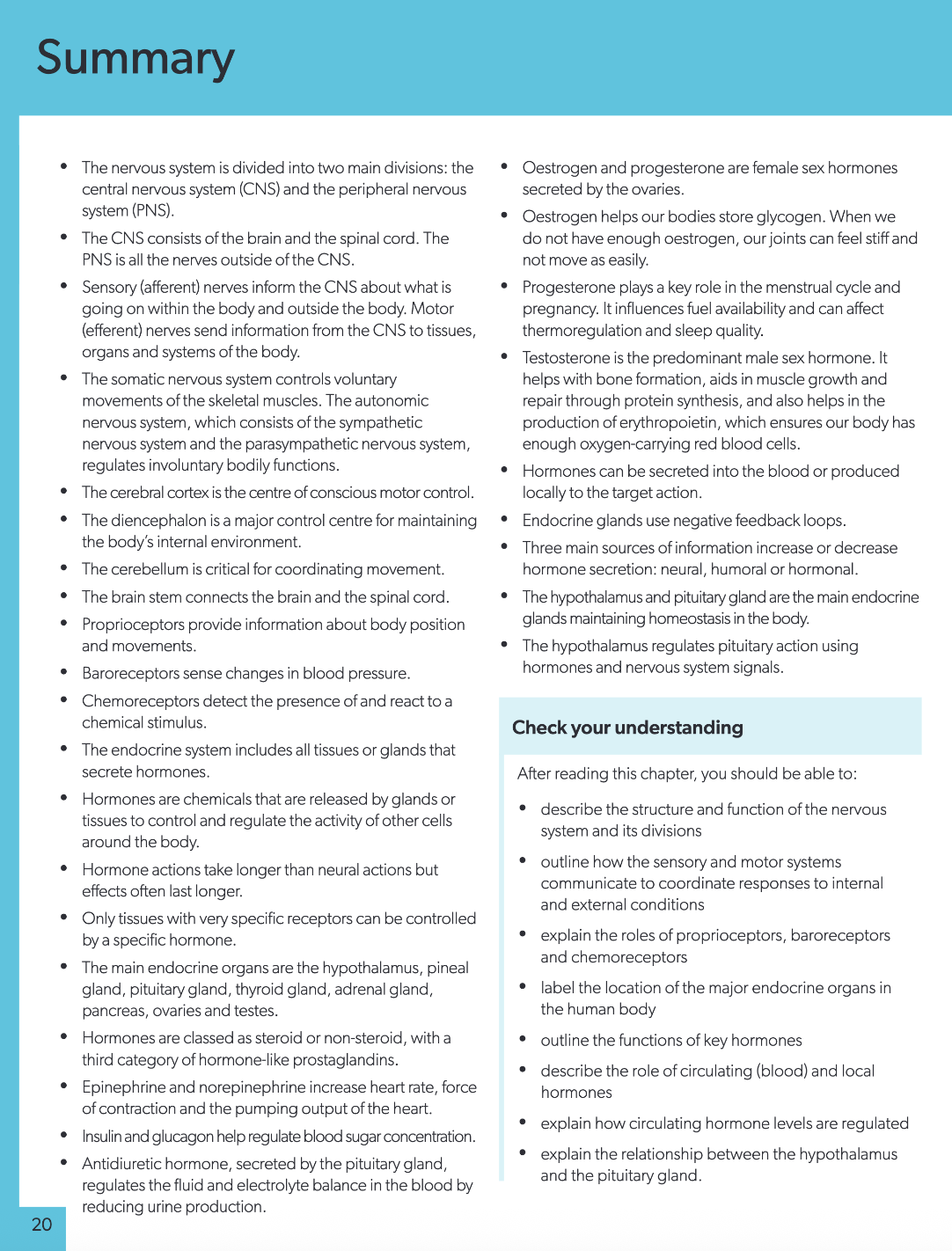
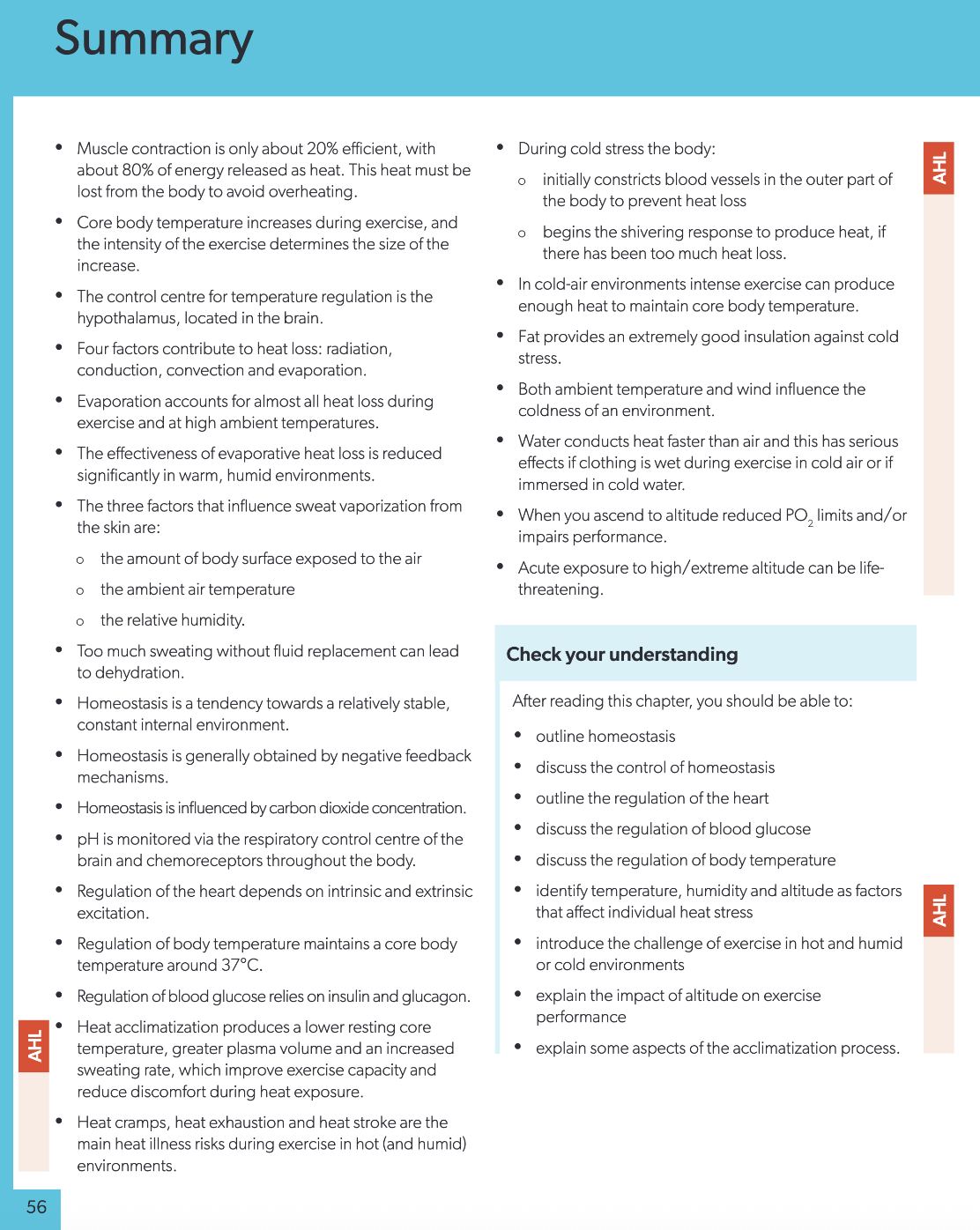
🎉 Topic A.1 Communication Mastered!
Continue to review and apply these foundational concepts, as they will reappear and provide context for many other topics throughout the SEHS course.