Topic A.2 Hydration and Nutrition
IB SEHS Study Guide
Mastering the key terminology of this topic is fundamental to building a precise understanding of the physiological concepts underpinning hydration and nutrition. A strong grasp of these terms allows for more accurate and sophisticated analysis in exam responses. The following list, organized by concept, provides a foundational vocabulary derived from the core curriculum.
To score highly, you must apply this vocabulary precisely within the context of the IB SEHS exam structure, which we will break down next.
IB command terms are the instructional words used in exam questions that dictate the required depth and type of response. Misinterpreting a command term can lead to an answer that, while factually correct, does not meet the question's requirements and therefore scores poorly. Mastering these terms is essential for maximizing your marks.
| Command Term | IB Definition | Topic Example |
|---|---|---|
| Identify | Provide an answer from a number of possibilities. | Identify the macronutrient that provides the primary fuel for high-intensity exercise. |
| Explain | Give a detailed account including reasons or causes. | Explain the primary causes of cardiovascular drift during prolonged exercise. |
| Compare | Give an account of the similarities and differences between two (or more) items or situations, referring to both (all) of them throughout. | Compare the predominant energy systems used in a 100m sprint and a marathon. |
| Suggest | Propose a solution, hypothesis or other possible answer. | Suggest a reason for the differences in dehydration observed between basketball and cricket players. |
| Discuss | Offer a considered and balanced review that includes a range of arguments, factors or hypotheses. Opinions or conclusions should be presented clearly and supported by appropriate evidence. | Discuss the nutritional recommendations for an endurance runner. |
| Define | Give the precise meaning of a word, phrase, concept or physical quantity. | Define Relative Energy Deficiency in Sport (RED-S). |
| Calculate | Obtain a numerical answer showing the relevant stages in the working. | Calculate the difference in mean EPOC between the HIIT and CONT protocols. |
Understanding these instructions is the first step; the next is applying this understanding to the core content of the syllabus.
Sub-topic A.2.1: Water and Electrolyte Balance
Introduction: Maintaining a stable internal environment, or homeostasis, is critical for human function, and nowhere is this more evident than in the body's management of water and electrolytes. For an athlete, this balance is strategically important as it directly influences thermoregulation, cardiovascular function, and the ability to sustain performance. Disruptions in fluid balance, whether through dehydration or over-hydration, can have significant and sometimes severe consequences.
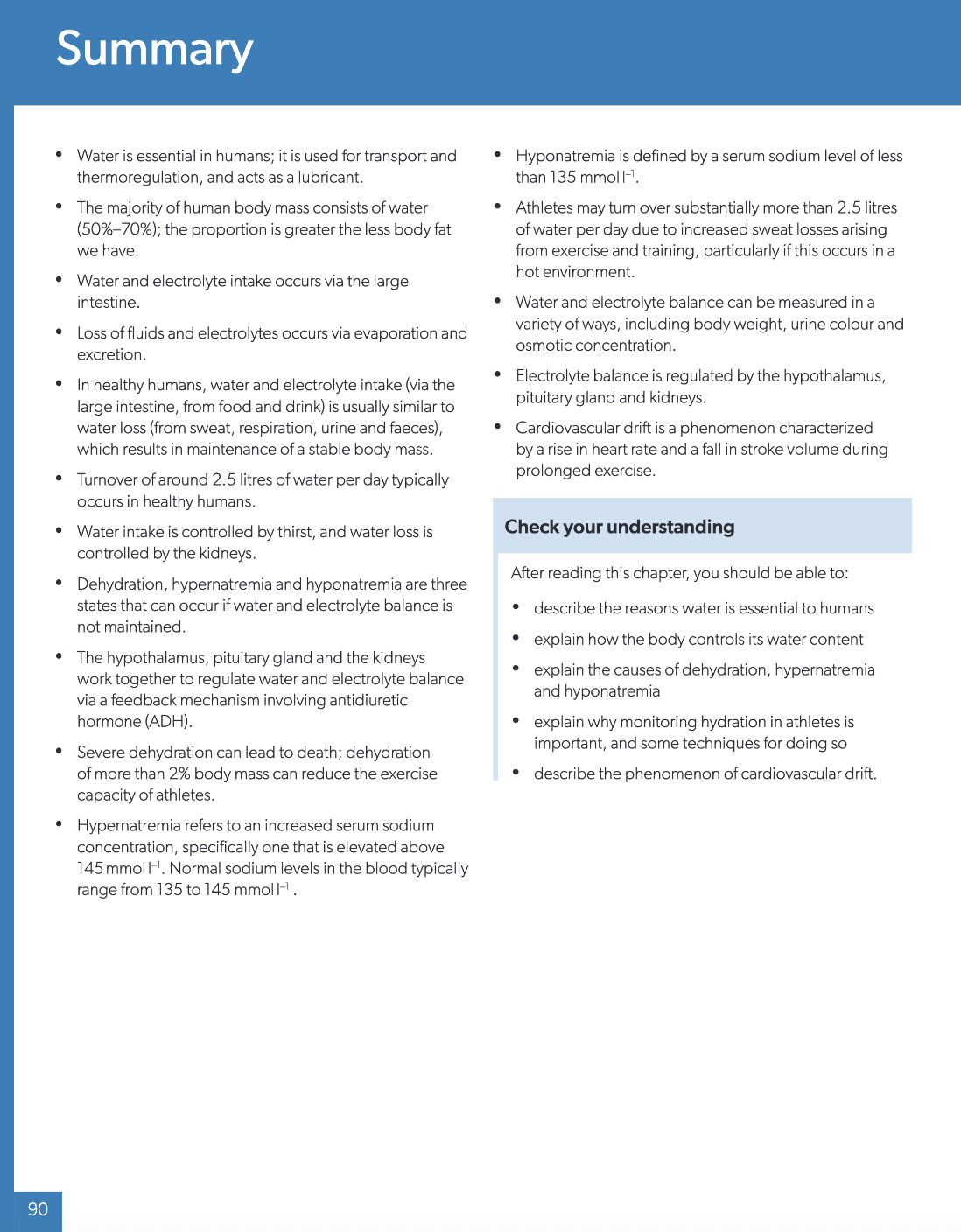
Overview: This sub-topic explores the body's homeostatic mechanisms for regulating fluid levels, primarily through hormonal control. It examines the physiological phenomenon of cardiovascular drift during prolonged exercise and investigates the health risks associated with hydration imbalances, such as hyponatremia and hypernatremia.
Core Concepts:
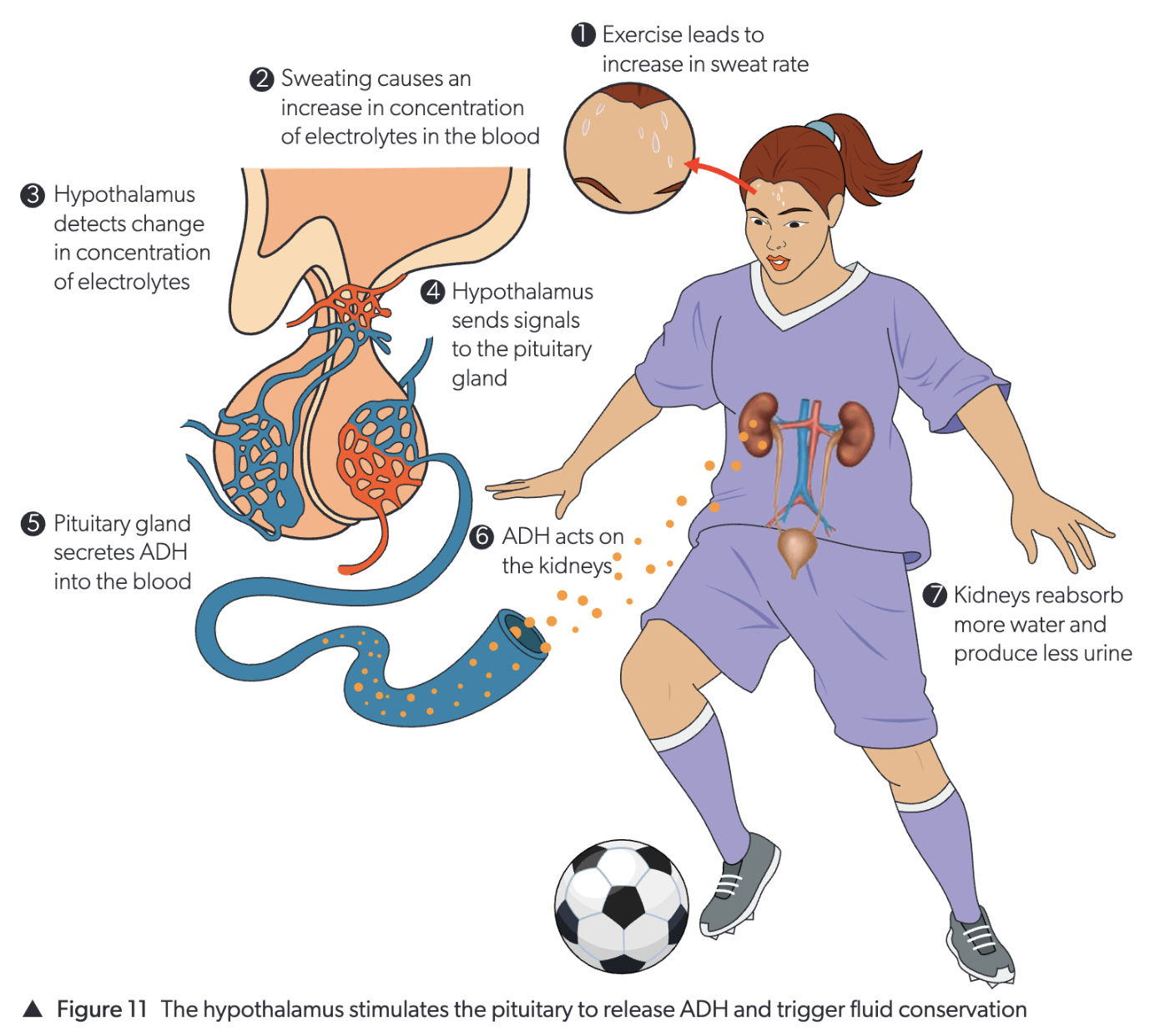
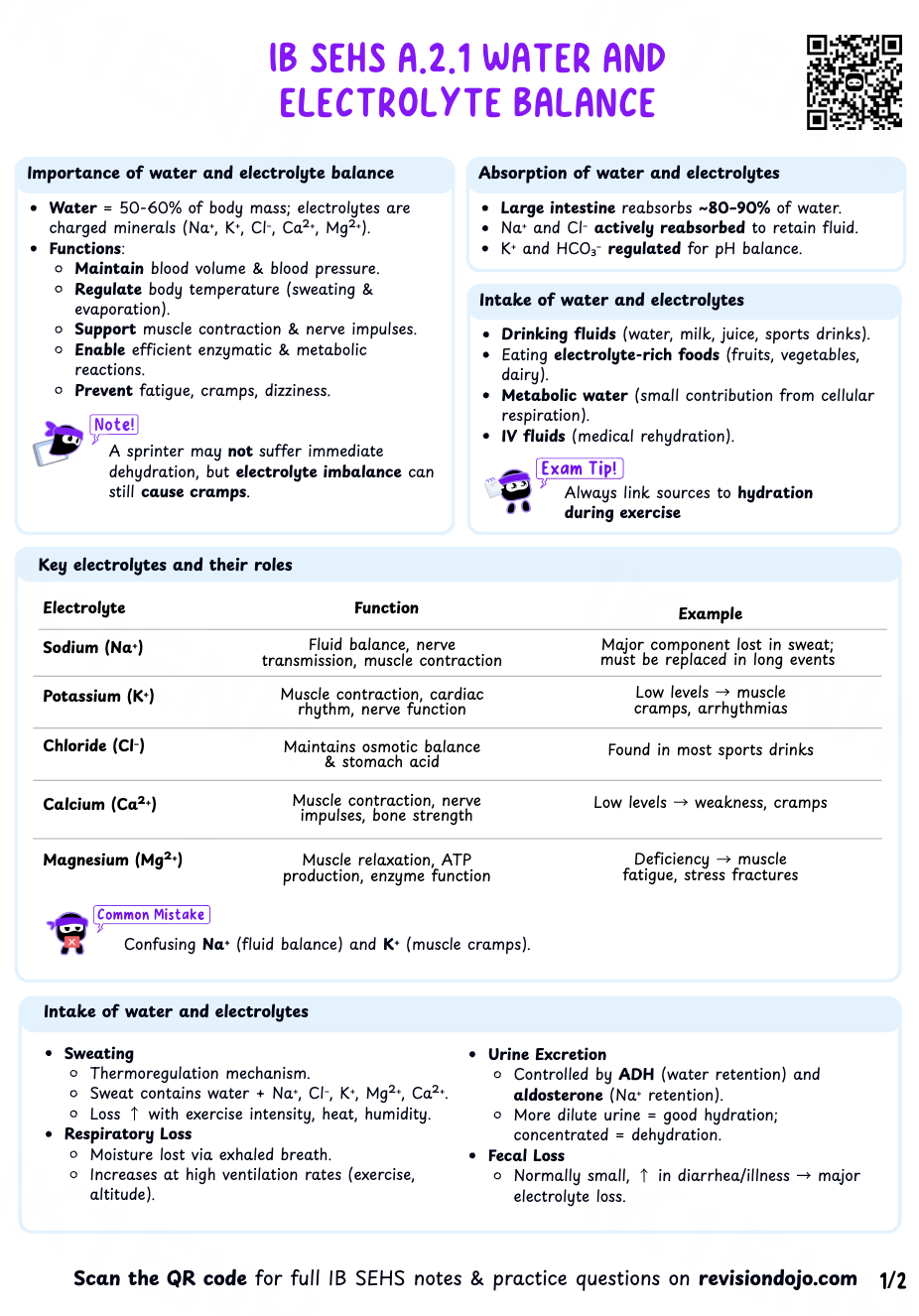
Regulation of Water Balance: The body's water balance is controlled by a sophisticated negative feedback loop. When the body needs more water (e.g., due to sweating), the hypothalamus detects an increase in plasma electrolyte concentration. It then sends nerve signals to the posterior pituitary gland, which responds by releasing Antidiuretic Hormone (ADH). ADH travels via the blood to the kidneys, where it acts to increase the reabsorption of water, thereby conserving body water and minimizing urine output.
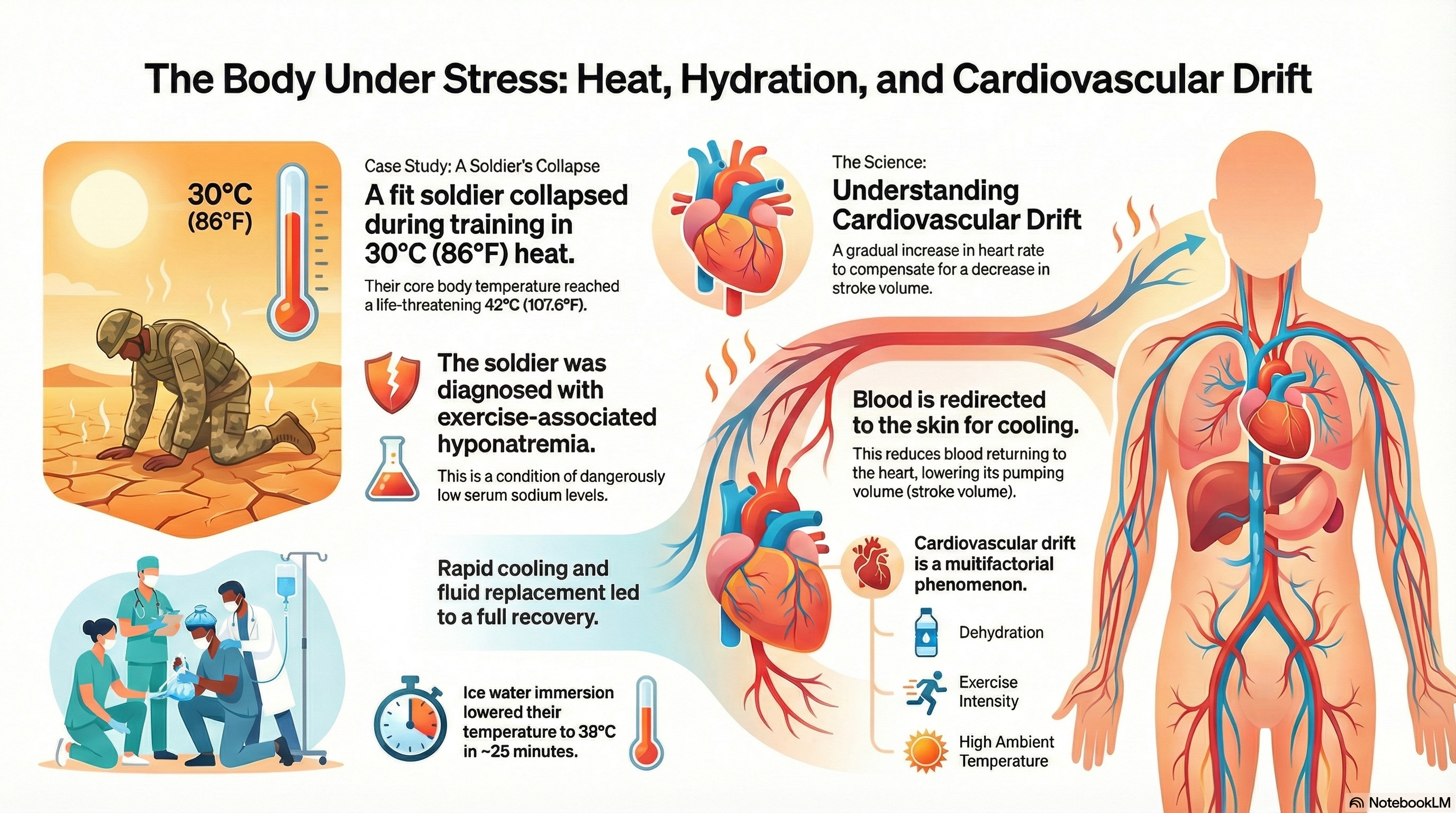
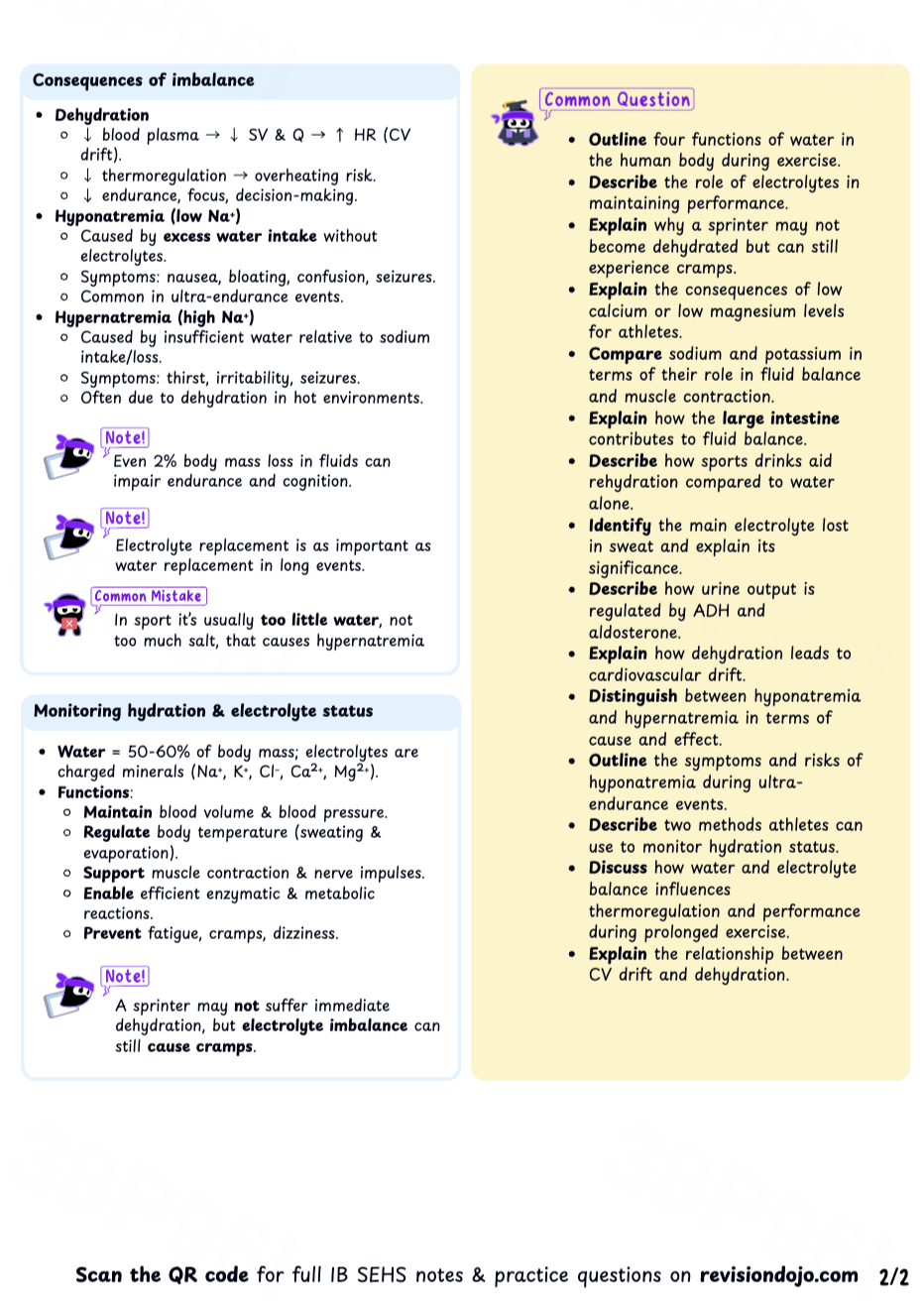
Cardiovascular Drift: During prolonged submaximal exercise, a gradual upward drift in heart rate occurs, accompanied by a progressive decline in stroke volume. This is known as cardiovascular drift. It is caused by several contributing factors, including the peripheral displacement of blood to the skin for thermoregulation, a decrease in blood volume from sweating, and a reduced ventricular filling time due to tachycardia. To compensate for the falling stroke volume and maintain cardiac output, the heart rate increases. While these are the primary accepted causes, the phenomenon is considered multifactorial, with ongoing debate about the specific contribution of factors like nitric oxide-induced vasodilation and potential reductions in cardiac contractility over time. This complexity is typical of the interconnected physiological systems you will study.
Hydration Imbalances:
- Hyponatremia: A condition defined by an abnormally low serum sodium concentration (below 135 mmol l⁻¹). In athletes, this is often caused by excessive water intake without adequate electrolyte replacement, which dilutes the sodium in the blood. Symptoms can include muscular weakness.
- Hypernatremia: A condition where body water is decreased relative to sodium, leading to an elevated serum sodium concentration. This can occur with severe dehydration, water deprivation, or excessive sodium intake. A key symptom is intense thirst.
Sporting Application: Sports drinks are formulated to address the dual challenges of fluid loss and electrolyte depletion during exercise. They contain essential electrolytes like sodium, potassium, and magnesium, which are lost in sweat. Consuming a sports drink instead of plain water can help prevent hyponatremia, as the sodium content helps maintain blood electrolyte balance while also providing carbohydrates for energy.
Transition: Proper hydration is essential for maintaining physiological function, but performance also depends on the availability of energy. This links directly to the nutritional fuels required to power exercise.
Sub-topic A.2.2: Fuelling for Health and Performance
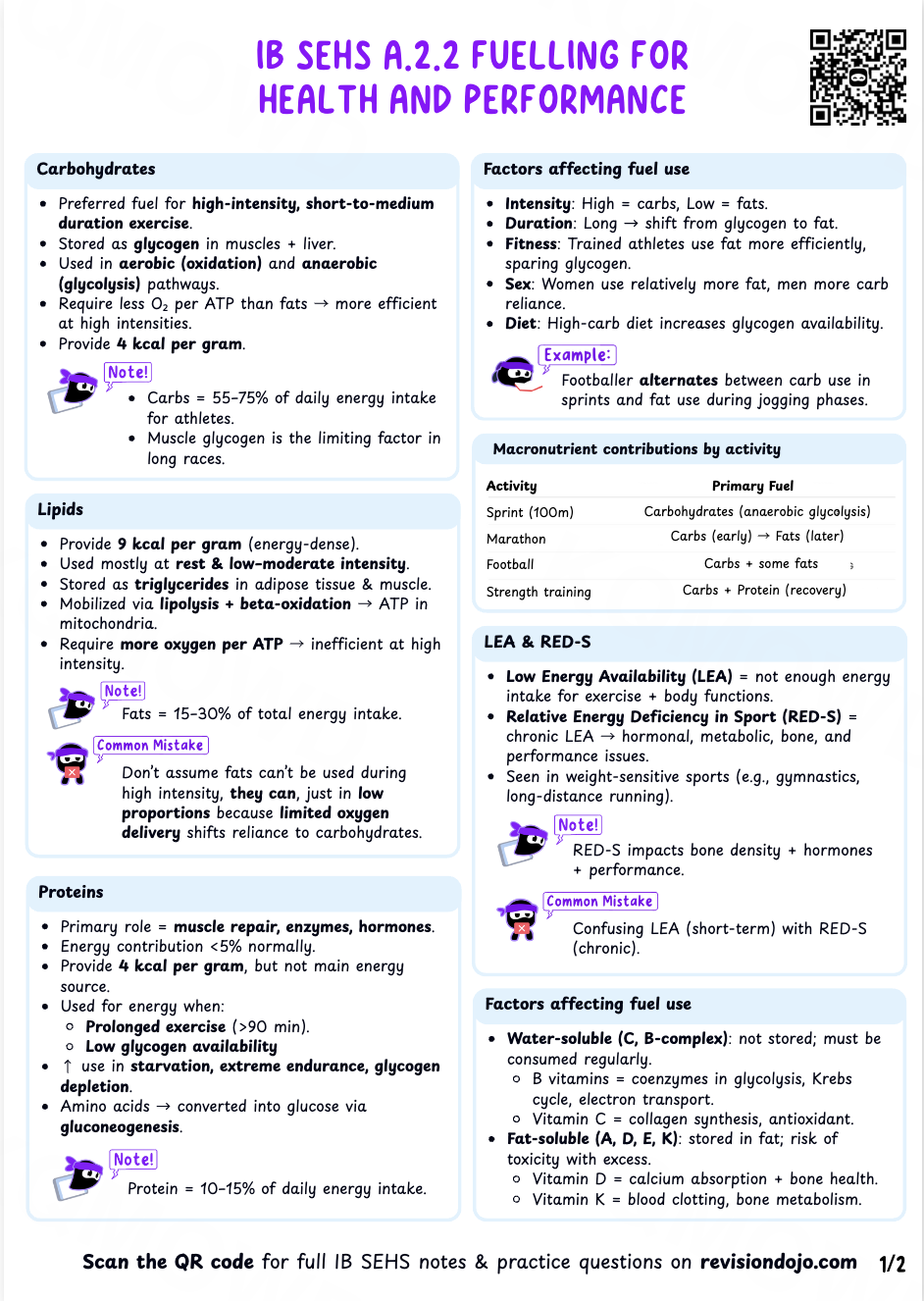
Introduction: The link between an athlete's diet and their performance is absolute. Macronutrient intake—specifically carbohydrates, proteins, and fats—provides the necessary energy to train, compete, and recover. An imbalance between energy intake and expenditure not only impairs performance but can also lead to serious health consequences, such as Relative Energy Deficiency in Sport (RED-S).
Overview: This section examines the specific roles of the three macronutrients in supporting the demands of sport. It also defines RED-S and its physiological consequences and explores common exercise-induced gastrointestinal issues.
Core Concepts:
Macronutrient Roles:
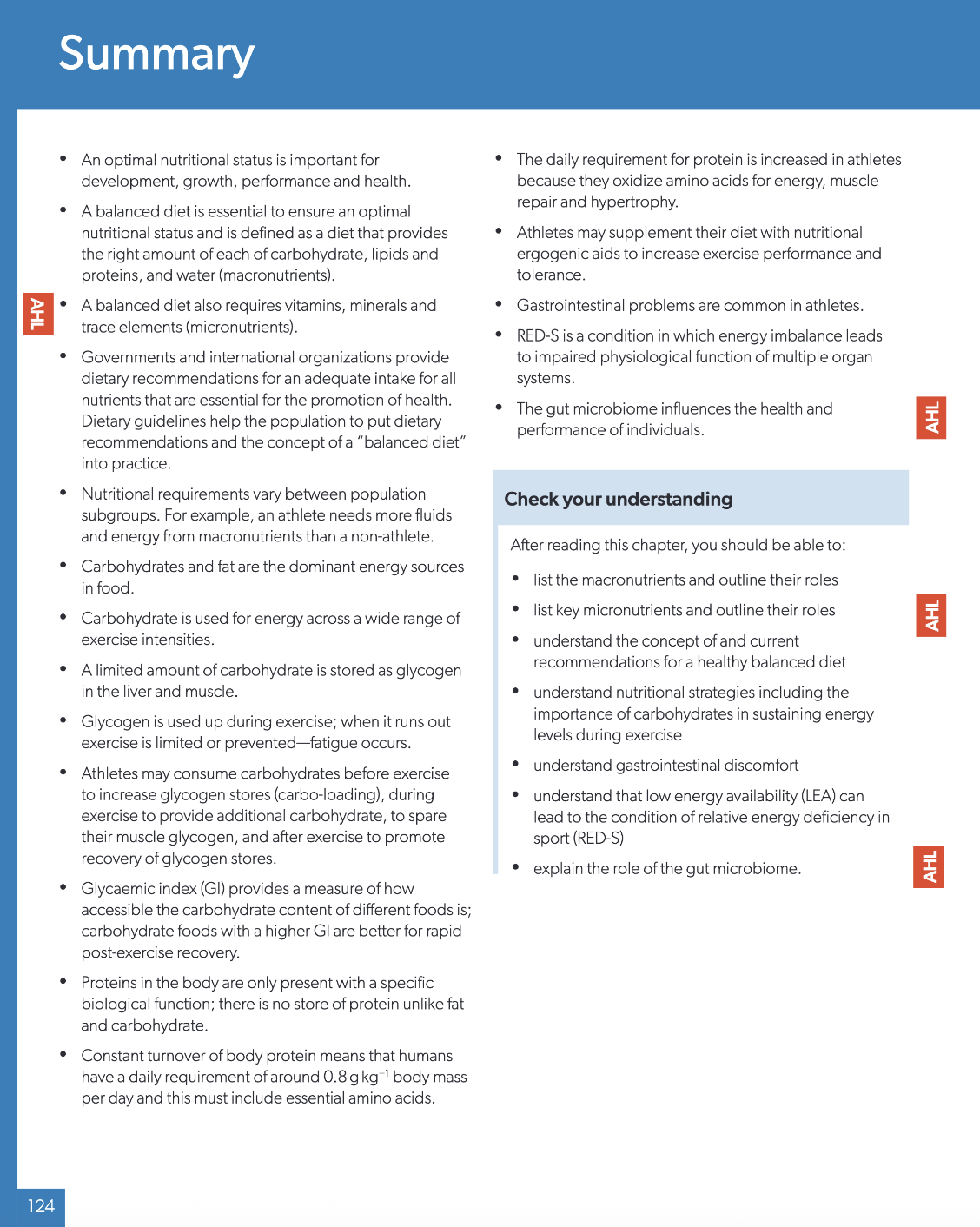
- Carbohydrates: The main and most readily available energy source for the body, especially during high-intensity exercise.
- Proteins: Essential for muscle repair and growth, playing a critical role in the recovery process after training.
- Fats: Important for overall health (e.g., heart health) and serve as a significant energy source for muscle metabolism during lower-intensity, longer-duration exercise.
Relative Energy Deficiency in Sport (RED-S): RED-S is a syndrome caused by insufficient caloric intake relative to the high energy expenditure of training. This low-energy state can have wide-ranging and serious physiological consequences, including altered metabolism, impaired menstrual function, compromised bone health, a weakened immune system, reduced protein synthesis, and negative effects on cardiovascular and psychological health.
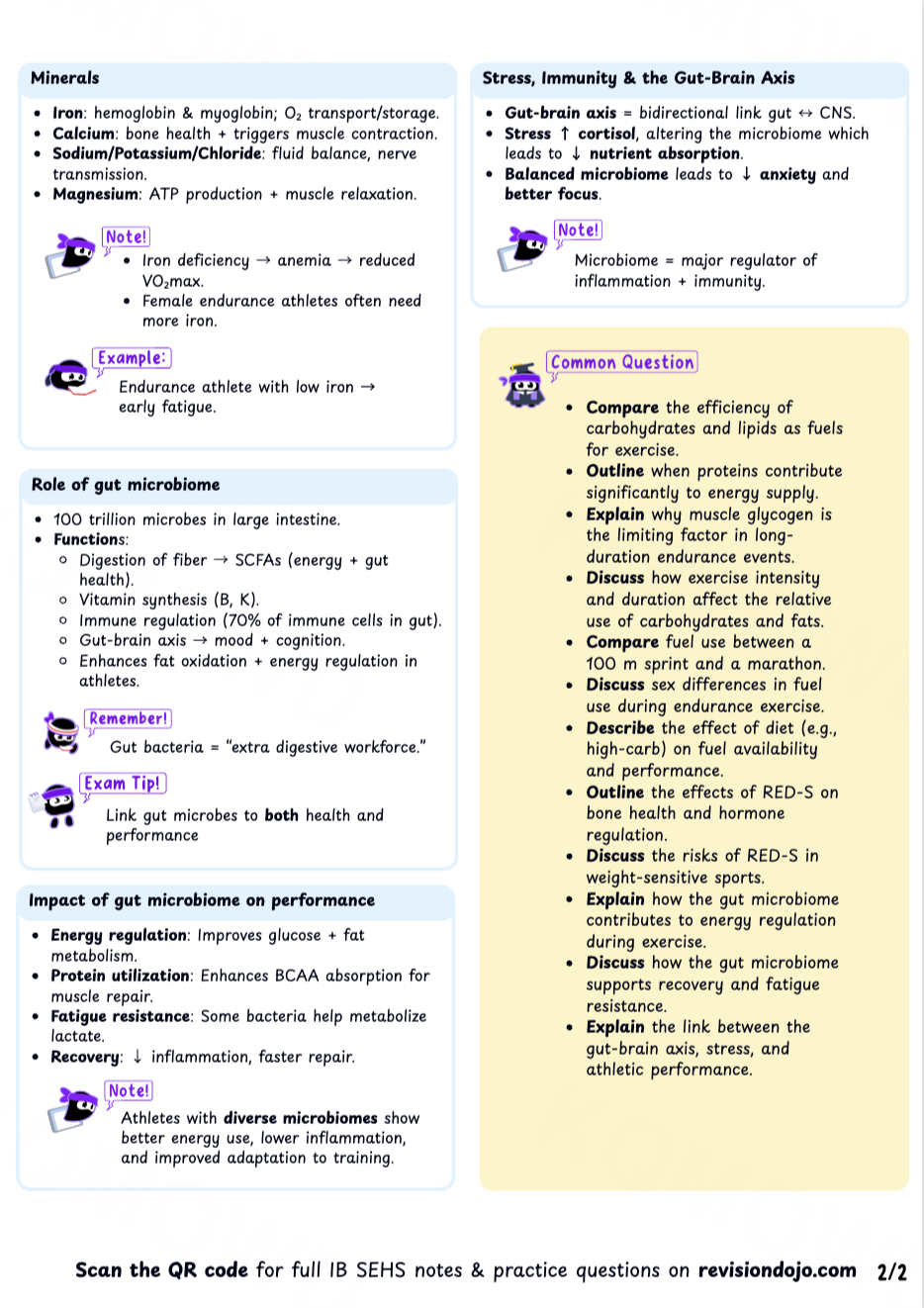
Gastrointestinal Issues: GI problems are common in athletes and their cause can be sport-dependent. In runners, symptoms are often linked to repetitive gastric jostling from the high-impact mechanics, which can cause damage to the intestinal lining. In cyclists, upper GI symptoms are more prevalent, likely due to the aerodynamic posture which increases pressure on the abdomen.
Sporting Application: Recovery nutrition is crucial for optimizing adaptations to training. Studies have shown that low-fat chocolate milk can be a highly effective recovery beverage. It contains a beneficial mix of carbohydrates to replenish muscle glycogen, protein to aid muscle repair, as well as fluid and electrolytes to promote rehydration. A direct comparison with a typical sports drink (Gatorade) shows that while both provide the same amount of fluid, the chocolate milk contains more carbohydrate, protein, and electrolytes, with no fat. This superior nutrient profile makes it a highly effective and often cheaper alternative for post-exercise recovery.
Transition: The macronutrients consumed as fuel must be converted into a usable form of energy. The next section details the metabolic pathways, or energy systems, responsible for this conversion.
Sub-topic A.2.3: Energy Systems
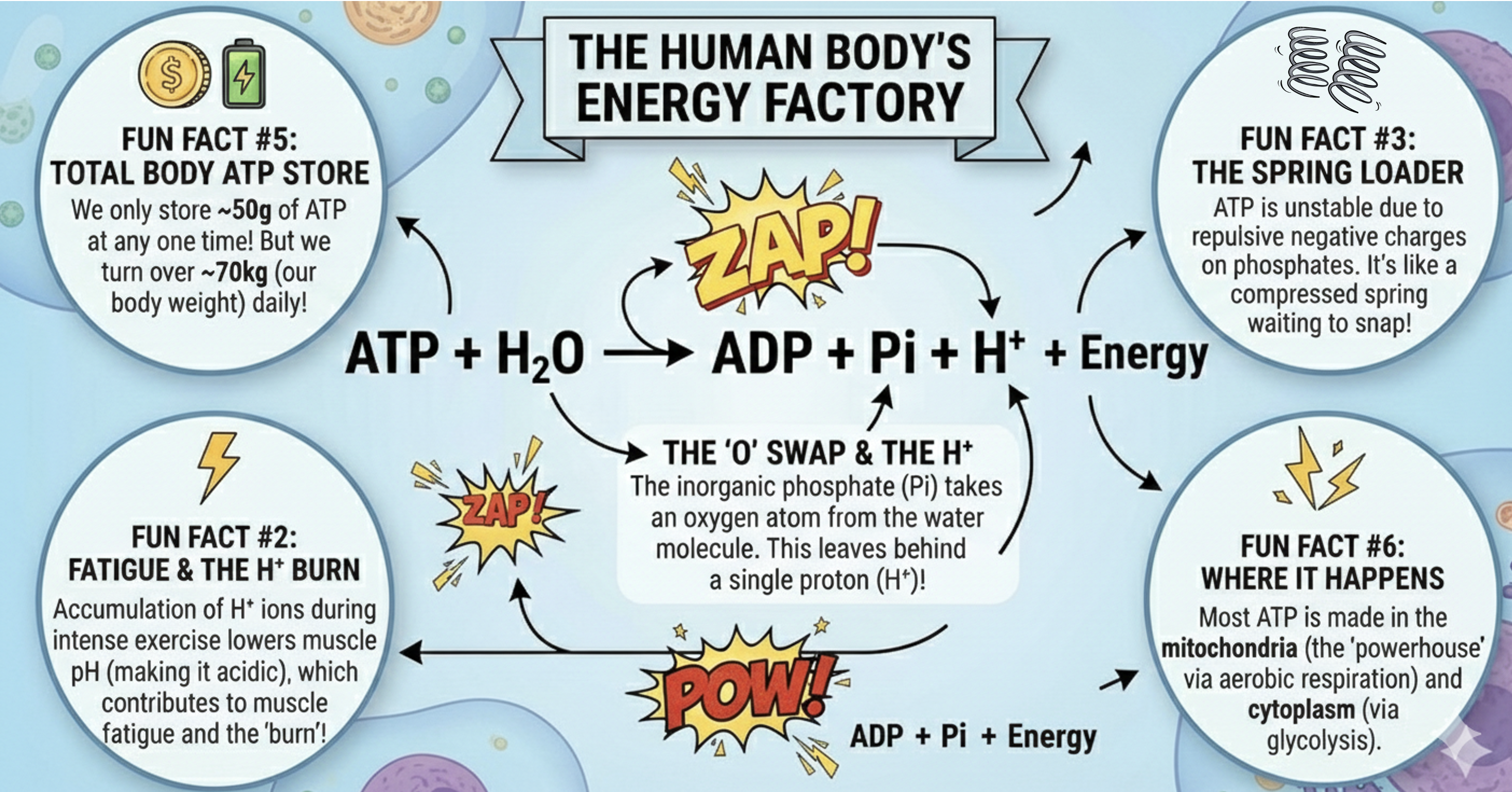
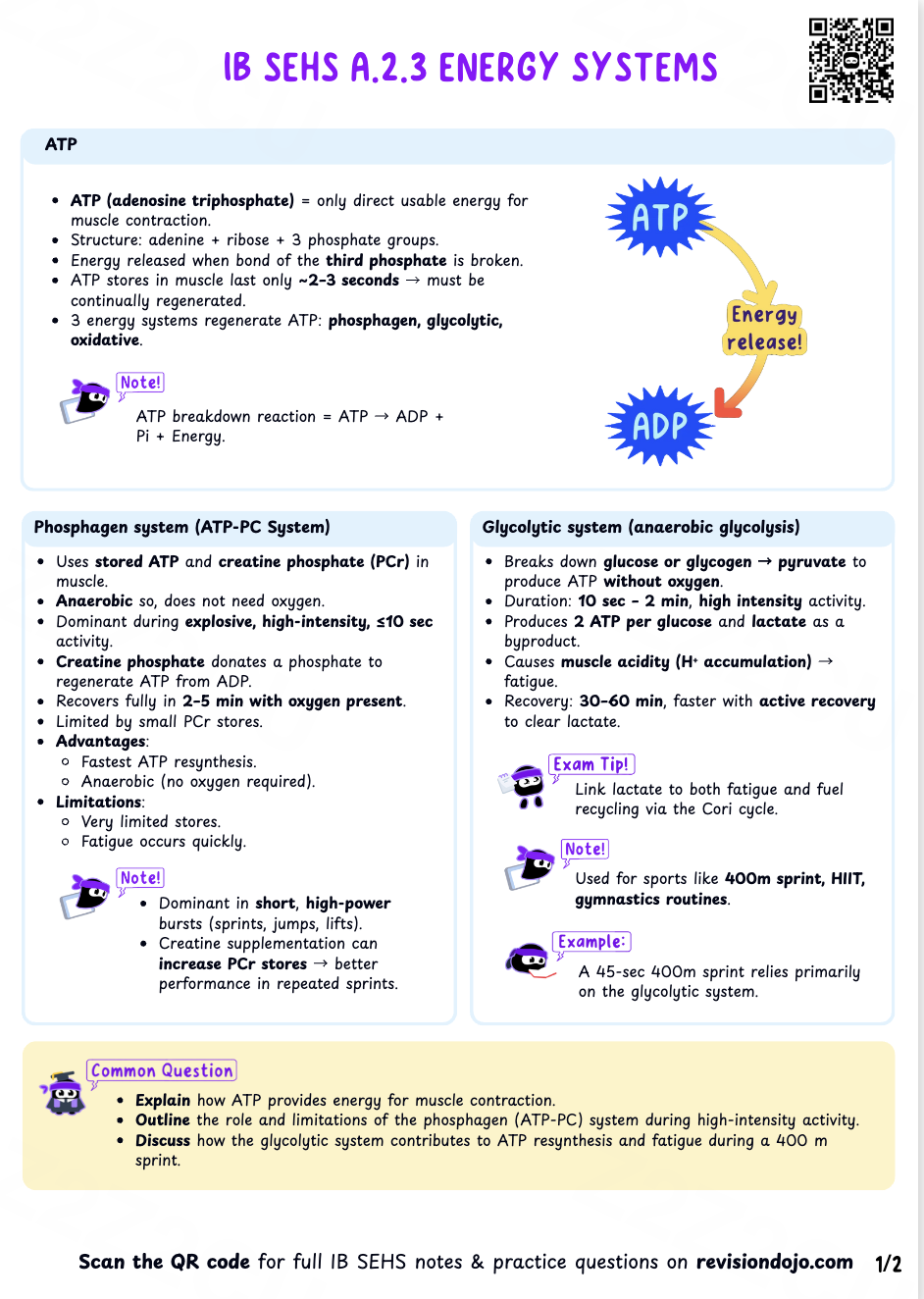
Introduction: All muscular work is powered by the breakdown of adenosine triphosphate (ATP). Since the body stores only a very small amount of ATP, it must be constantly resynthesized. This is achieved through three distinct but integrated energy systems, which act as metabolic pathways to generate ATP from different fuel sources. The relative contribution of each system is determined by the intensity and duration of the physical activity.
Overview: This sub-topic focuses on the interplay between the three energy systems: the ATP-PCr system, anaerobic glycolysis, and the oxidative (aerobic) system. It also explains the concepts of oxygen deficit, EPOC, and the lactate inflection point as key markers of metabolic response and endurance performance.
Core Concepts:
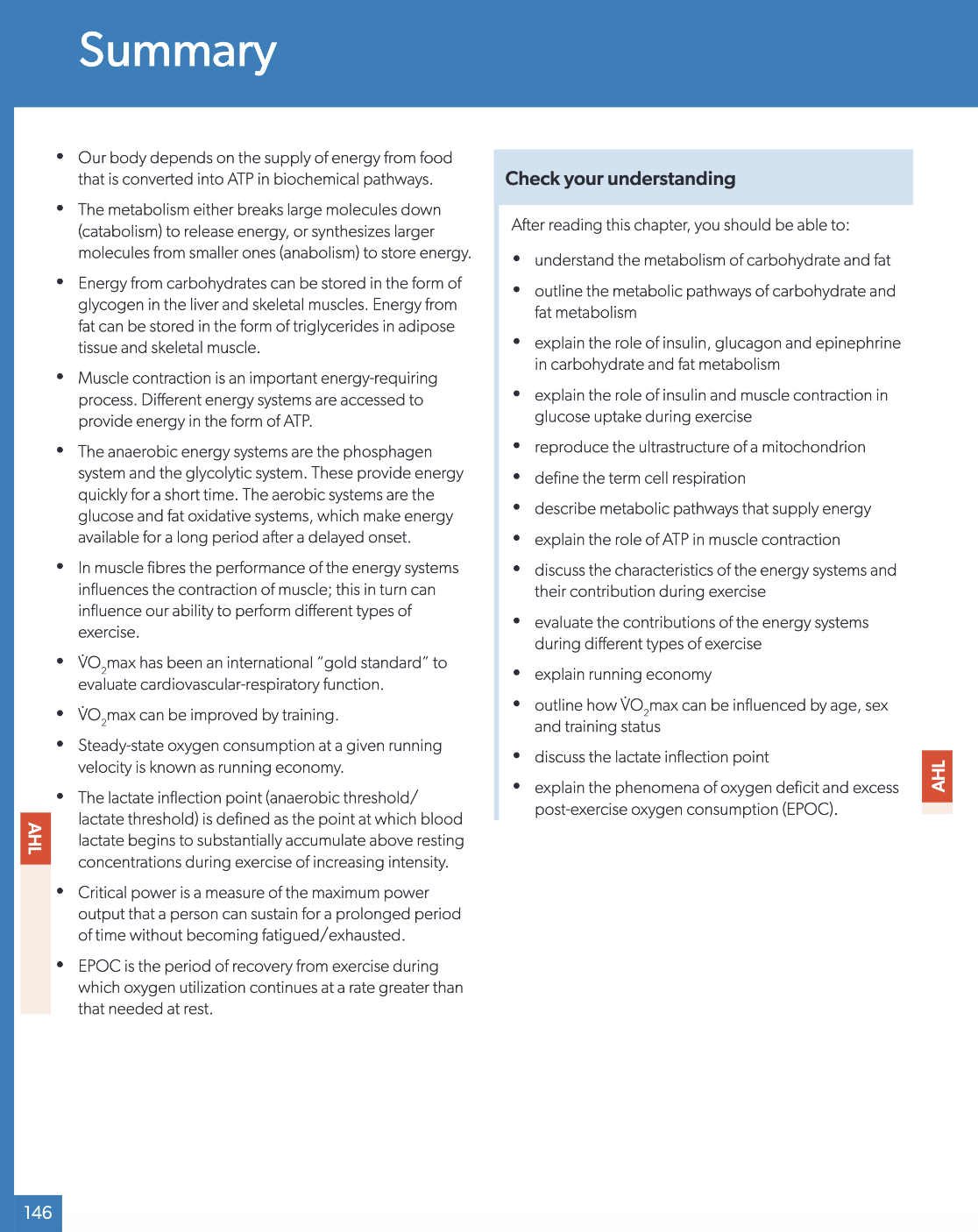
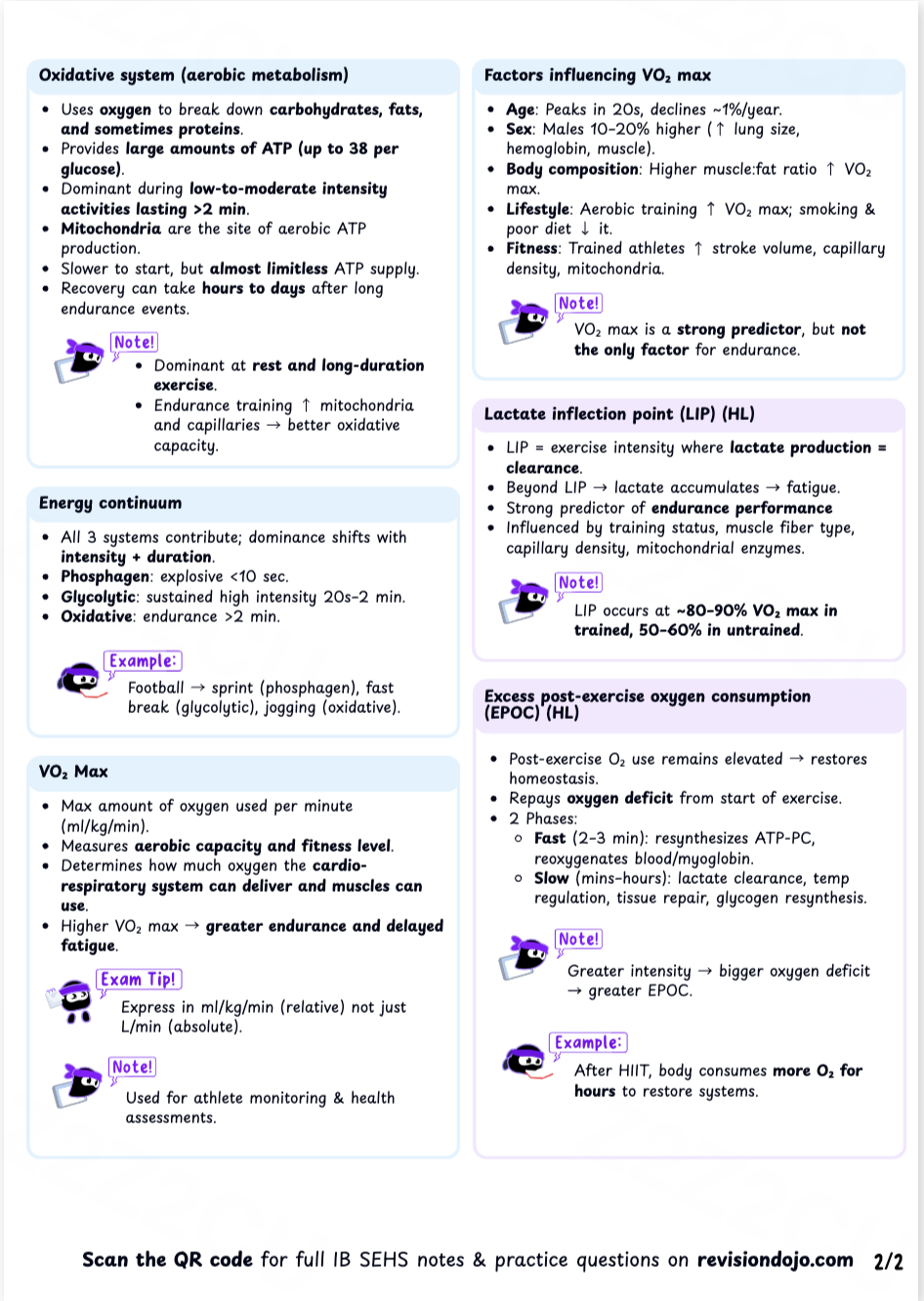
Energy System Continuum: No single energy system works in isolation; they all contribute simultaneously. However, one system will be predominant based on the activity's demands.
- For short, explosive efforts like a sprint or a heavy lift, the PCr system is the predominant source of ATP.
- For long-duration endurance events like a marathon, the oxidative system is the main contributor.
- High-intensity efforts lasting between 15 seconds and 3 minutes rely heavily on anaerobic glycolysis.
Oxygen Deficit and EPOC:
- Oxygen Deficit: At the very beginning of exercise, the oxygen supply from the cardiorespiratory system cannot immediately meet the muscles' demand. This temporary shortfall is the oxygen deficit, during which anaerobic pathways must supply the needed ATP.
- EPOC (Excess Post-exercise Oxygen Consumption): Following exercise, oxygen consumption remains elevated above resting levels for a period. This is EPOC, often called the "oxygen debt." This extra oxygen is used to restore the body to its pre-exercise state and occurs in two phases. The initial fast phase is primarily for the resynthesis of ATP and phosphocreatine (PCr). The subsequent slow phase supports longer-term recovery processes, including lactate metabolism, glycogen resynthesis, and the repair of muscle damage.
Lactate Inflection Point (LIP): The LIP (also known as the lactate threshold) is the exercise intensity at which the rate of lactate production exceeds the rate of lactate removal, causing lactate to accumulate rapidly in the blood. It signifies the transition from predominantly aerobic to increasingly anaerobic metabolism. For coaches, the LIP is a critical marker of an athlete's endurance capacity. Training can be designed in specific zones relative to the LIP to improve an athlete's ability to sustain a higher intensity before fatiguing.
Sporting Application: In elite marathon runners who may have similar maximal oxygen uptake (VO₂max), running economy often becomes a better predictor of performance. Running economy is the steady-state oxygen consumption at a given running velocity. An athlete with a better running economy uses less oxygen (and therefore less energy) to maintain a certain pace, making them more efficient and better able to sustain performance over long distances.
Transition: Having reviewed the core physiological concepts, the following section provides an opportunity to apply this knowledge to exam-style questions.
The questions below provide insight into the types of challenges you will face in Paper 1B. Success in Paper 1B requires you to apply "Nature of Science" (NOS) skills—such as evaluating methodologies, interpreting graphs, and understanding study design.
Scenario: The following data compares the hydration status (hyperhydrated, euhydrated, dehydrated) as a percentage of players in two groups: basketball and cricket. Data is shown for both pre-training and post-training sessions, each lasting 90 minutes.
Compare the changes in hydration status from pre- to post-training for both basketball and cricket players. [3 marks]
Suggest a reason for the differences observed between the two sports. [2 marks]
Scenario: A study compared the nutritional content of low-fat chocolate milk and a commercial sports drink (Gatorade).
Identify which drink provided more carbohydrates. [1 mark]
Explain why low-fat chocolate milk may be an effective recovery beverage. [3 marks]
State two practical recommendations a coach might learn from these findings. [2 marks]
Scenario: An investigation measured mean EPOC (l min⁻¹) following High-Intensity Interval Training (HIIT) and Continuous Training (CONT). CONT lasted 30 minutes, HIIT lasted 4 minutes.
Calculate the difference in mean EPOC between the HIIT and CONT protocols. [1 mark]
Compare the variability of the EPOC values for the two protocols and suggest reasons for any differences. [3 marks]
Scenario: A 23-year-old soldier collapses in the heat (30°C). Core temperature was 42°C. Serum sodium was found to be 132 mmol l⁻¹ (normal range: 135–145).
Using the data provided, diagnose whether the soldier experienced hyponatremia or hypernatremia. [1 mark]
Based on the source text on hydration, explain how profuse sweating combined with high water intake could lead to this condition. [2 marks]
One key practical skill is the ability to quantify fluid loss and calculate an appropriate replacement strategy post-exercise.
- Fluid Replacement Need (L): Volume needed to restore hydration, accounting for continued losses.
- Body Mass Loss (kg): Difference in weight before and after exercise (1 kg ≈ 1 L of sweat).
Worked Example: If you lose 1 kg in weight, replace with 1.5 L of fluid.
- A.1.1 (Inter-system communication): Regulation of water balance via ADH involves the nervous and endocrine systems.
- A.1.2 (Maintaining homeostasis): Hydration and electrolyte balance are critical for thermoregulation.
- A.1.3 (Transport): Cardiovascular drift links heart rate and stroke volume changes to fluid distribution.
- Explain hormonal regulation of water (ADH).
- Analyze causes of cardiovascular drift.
- Differentiate hyponatremia and hypernatremia.
- Explain roles of carbs, proteins, and fats in performance.
- Define RED-S and its consequences.
- Compare energy systems (PCr, Anaerobic, Oxidative).
- Distinguish oxygen deficit and EPOC.
🎉 Topic A.2 Hydration and Nutrition Mastered!
You now have a comprehensive understanding of the physiological principles underpinning hydration, nutrition, and energy systems in sport. Continue to apply this knowledge through practice questions and real-world applications to achieve exam success!