Topic A.3: Response
IB SEHS Study Guide
Mastering precise terminology is essential for achieving success on the IB SEHS exam. Clear and accurate definitions allow you to demonstrate a sophisticated understanding of the course material. This section provides definitions for the core concepts within Topic A.3, grounded directly in the syllabus, to build your foundational knowledge.
Understanding these terms is the first step toward applying them effectively in data-based questions and extended-response answers.
IB exams use specific "command terms" to frame questions, and understanding their precise meaning is essential for providing answers that meet the assessment criteria. Each term dictates the required depth and scope of your response. This table breaks down key command terms relevant to Topic A.3.
| Command Term | Contextual Definition | Topic-Specific Example |
|---|---|---|
| Explain | Give a detailed account including reasons or causes. | Explain how the principles of progressive overload and specificity are applied in a strength training program. (Inspired by Paper 2, 1.e) |
| Evaluate | Make an appraisal by weighing up the strengths and limitations. | Evaluate the use of compression garments and thermotherapy as recovery techniques from exercise. (Based on A.3.3.2) |
| Describe | Give a detailed account. | Describe the signs of recovery from exercise, including physiological and psychological indicators. (Based on A.3.3.2) |
| Discuss | Offer a considered and balanced review that includes a range of arguments, factors or hypotheses. | Discuss the factors that can contribute to fatigue during high-intensity exercise. (Based on A.3.3.1) |
| Outline | Give a brief account or summary. | Outline the potential health benefits of maintaining an active lifestyle. (Based on A.3.2.1) |
The following section provides the core knowledge you need to construct high-scoring answers using these command terms.
This section provides a detailed breakdown of the syllabus content for Topic A.3. It is designed to build a comprehensive understanding of how the body responds to training, maintains health through activity, and manages fatigue and recovery.
A.3.1: Qualities of training
Overview: This sub-topic covers the essential principles for designing safe and effective training programs to improve both health and performance. It introduces the concept of periodization for long-term planning and explores the risks associated with poorly designed programs, such as overtraining.
Core Concepts:
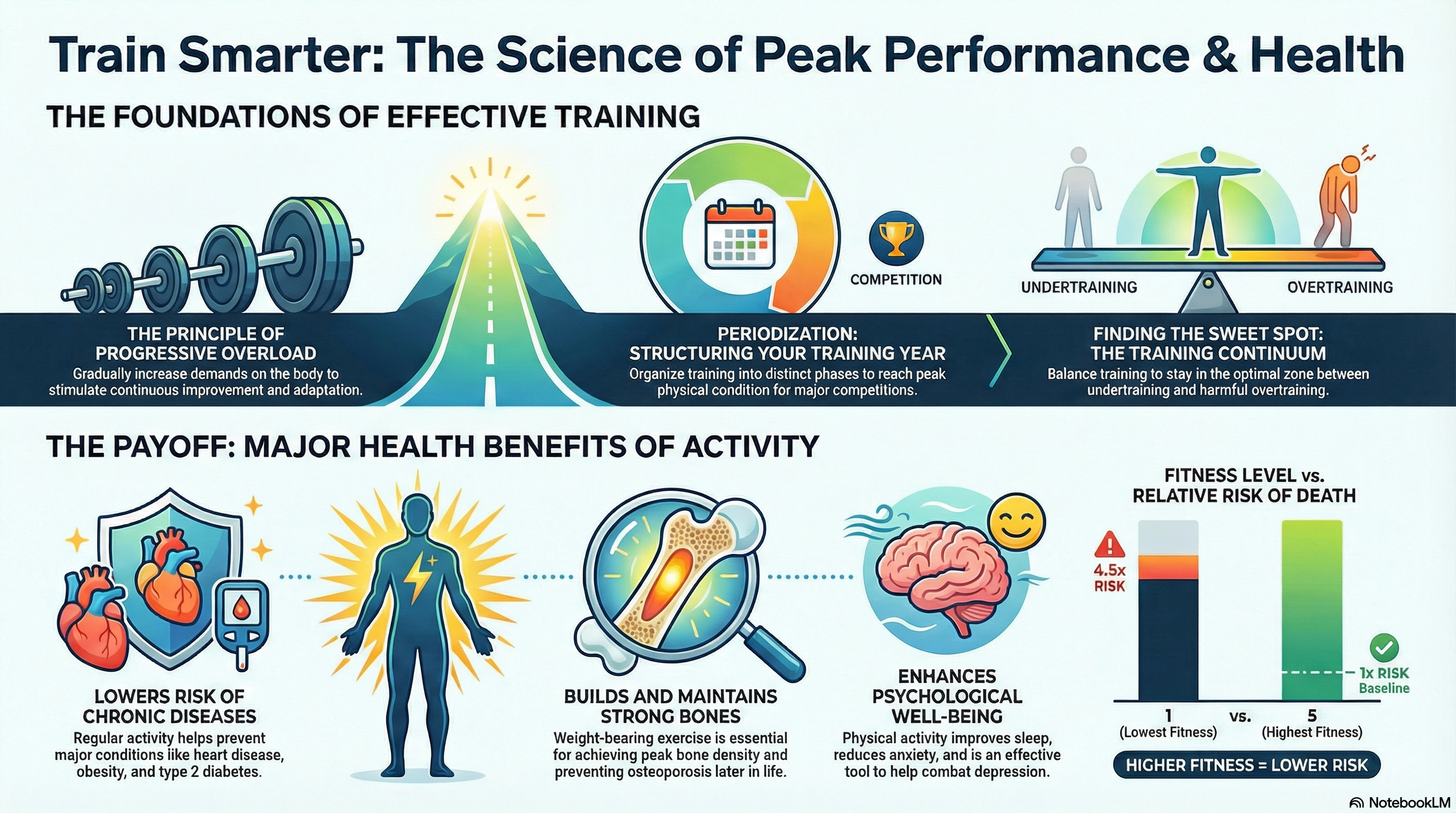
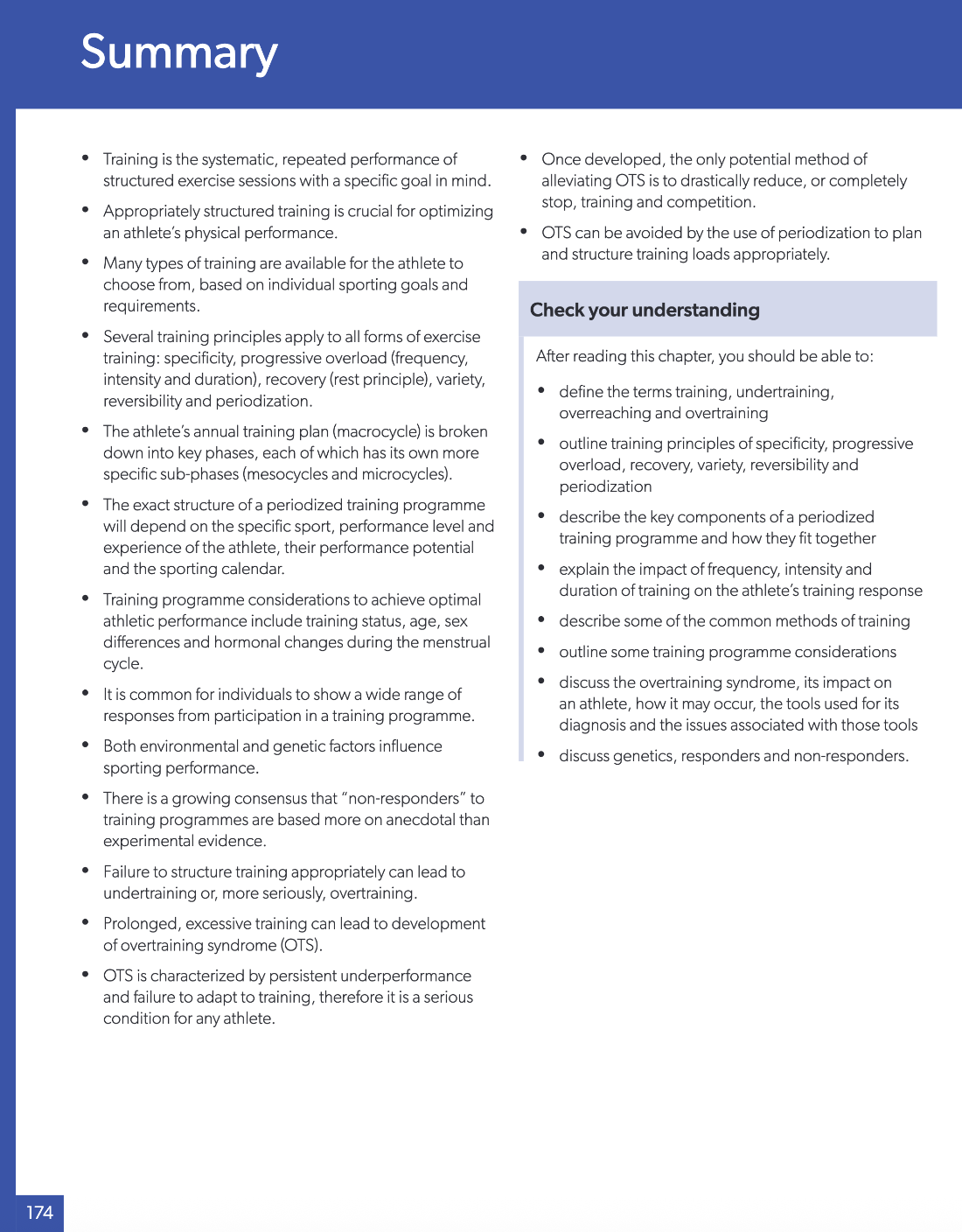
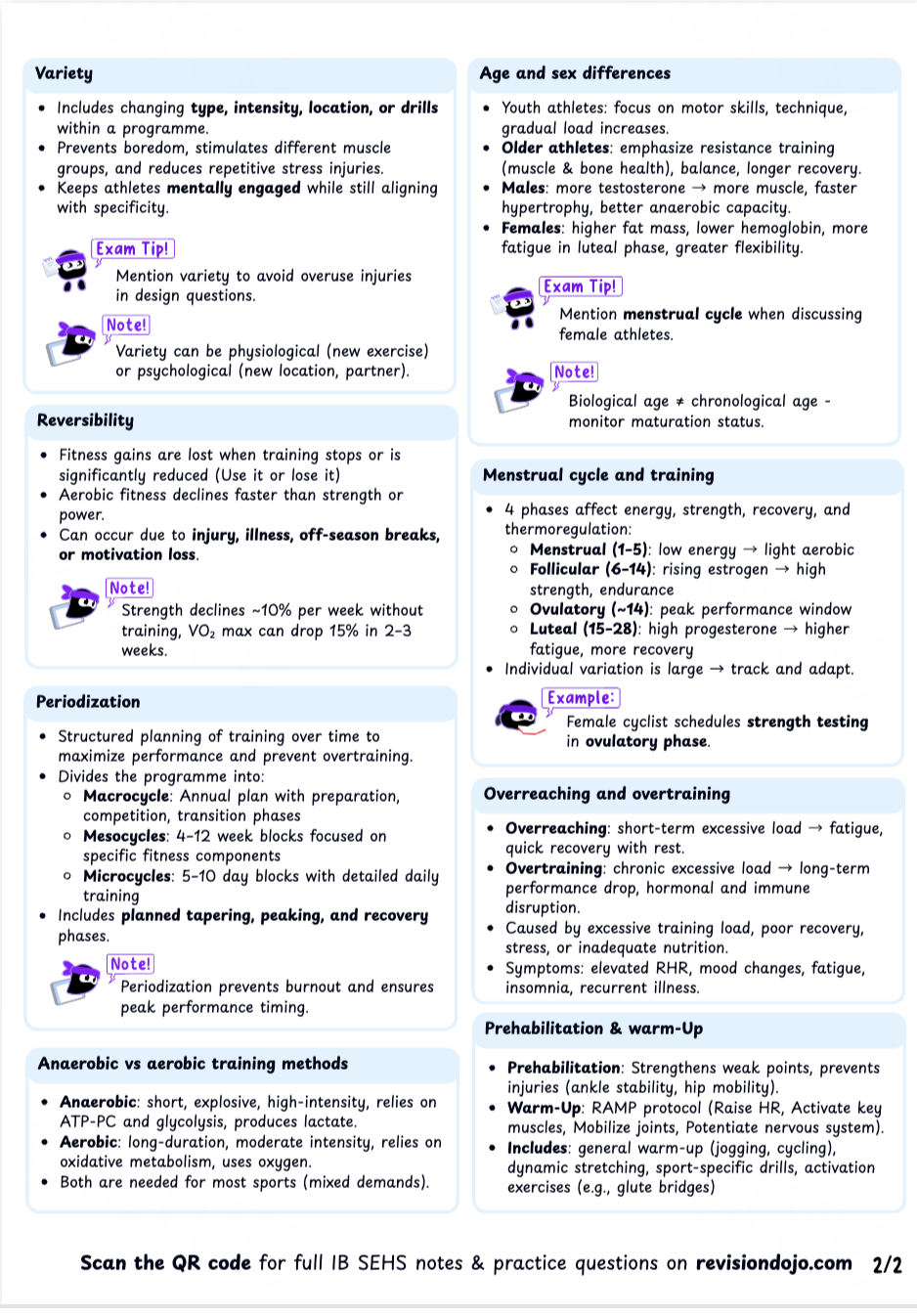
Training Principles: The design of any effective training program is directed by several common principles:
- Specificity: Training should be relevant to the individual's goals or the demands of the sport.
- Progressive Overload: The body must be subjected to a gradually increasing load (via frequency, intensity, or duration) to stimulate adaptation.
- Recovery: Adequate rest is necessary for the body to adapt and repair, preventing burnout and injury.
- Variety: Changing routines can prevent boredom and stimulate new adaptations.
- Reversibility: Fitness gains are lost when training ceases.
Periodization: To optimize athletic performance, long-term training is structured into distinct phases:
- Macrocycles: The overall long-term plan, often lasting a year or an entire season.
- Mesocycles: Medium-term blocks within the macrocycle, typically lasting several weeks, focusing on a specific goal (e.g., strength or endurance).
- Microcycles: Short-term plans, usually a week long, detailing daily workouts.
Individual Differences & Adaptation: An individual's response to training is influenced by numerous factors, including the training intensity and methods used, genetics, age, sex differences, and hormonal fluctuations such as those during the menstrual cycle.
Consequences of Poor Design: Poorly designed or maintained programs can lead to negative outcomes. It is crucial to differentiate between non-functional overreaching, a state of intensified training that leads to a temporary performance drop, and overtraining, a more severe condition characterized by long-term performance decrements and maladaptation.
The principle of progressive overload is fundamental to increasing power output. In bobsled racing, athletes must generate explosive power during the initial push-off phase. A progressive overload strength training program, focusing on the extension of lower limb joints, results in increased muscle strength. This enhanced strength allows the athlete to generate more muscle power, leading to greater acceleration and a faster start. (Source: IB SEHS Sample Exam Answers.docx, Paper 2, Q1.e)
A.3.2: Benefits to health of being active
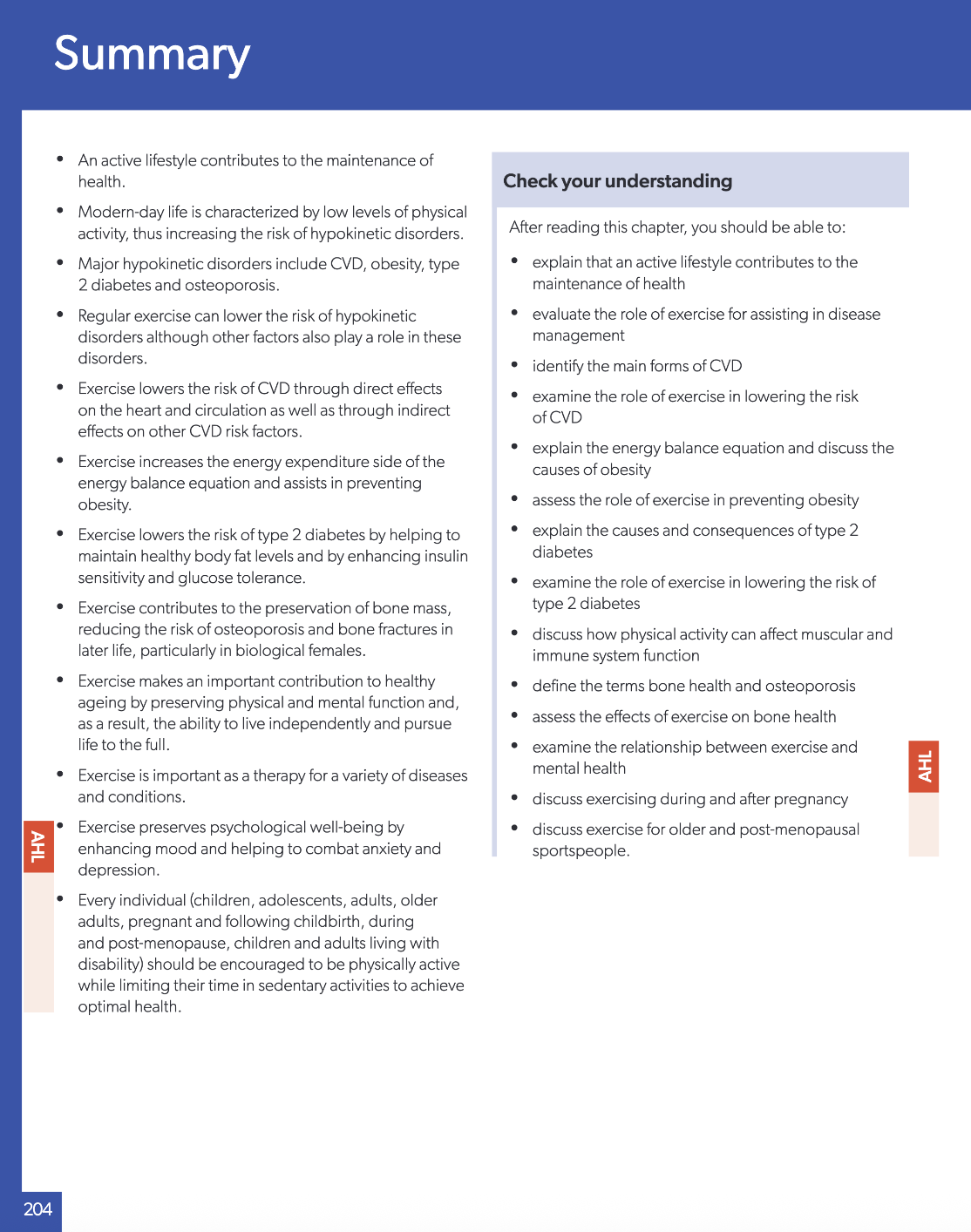
Overview: This sub-topic shifts the focus from athletic performance to general well-being, exploring how a physically active lifestyle supports overall health and reduces the risk of major chronic diseases.
Core Concepts:
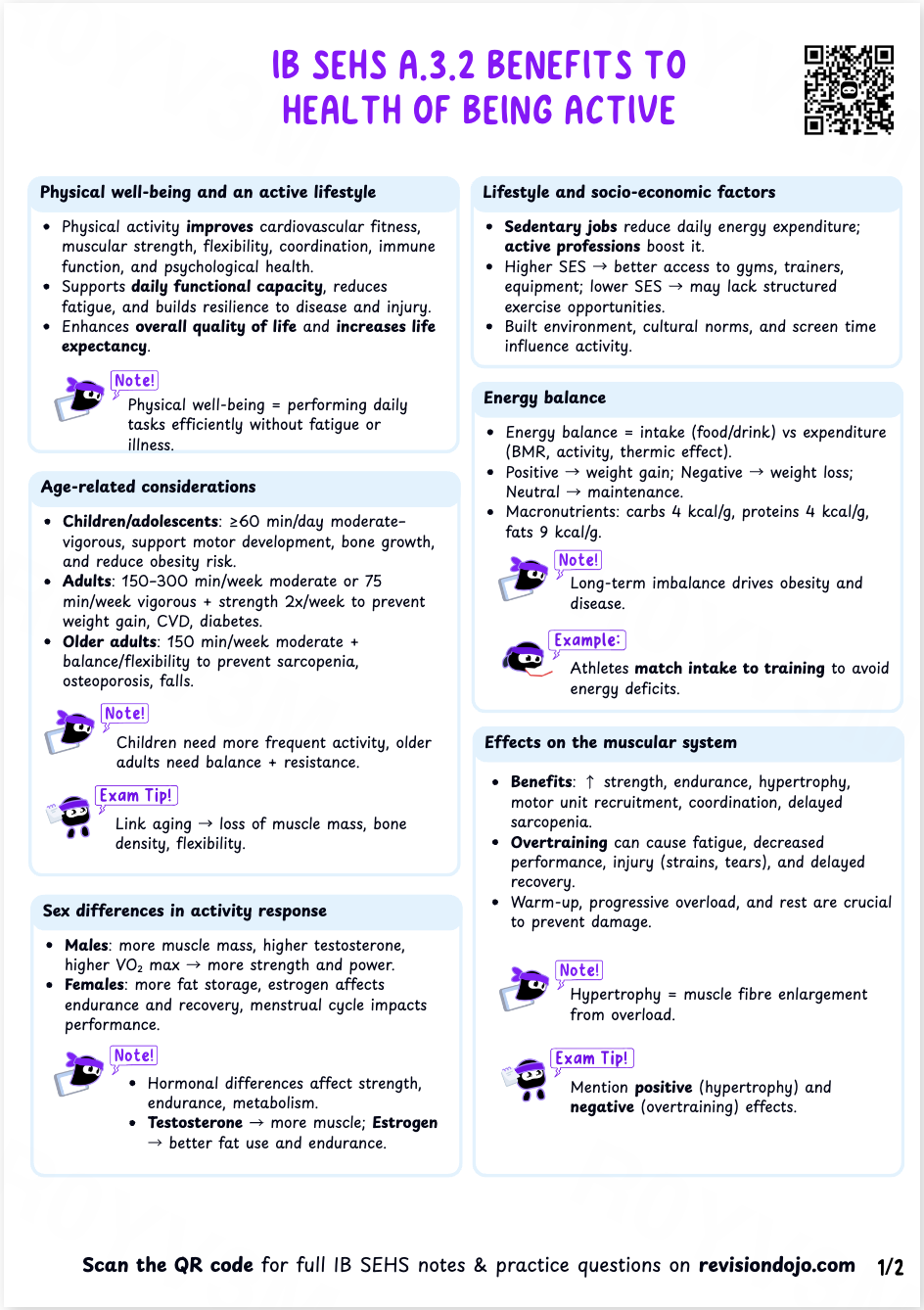
Energy Balance: This fundamental concept consists of three components: energy intake (from food and drink), energy consumption (metabolism and physical activity), and energy storage (as fat). An active lifestyle helps maintain a healthy balance.
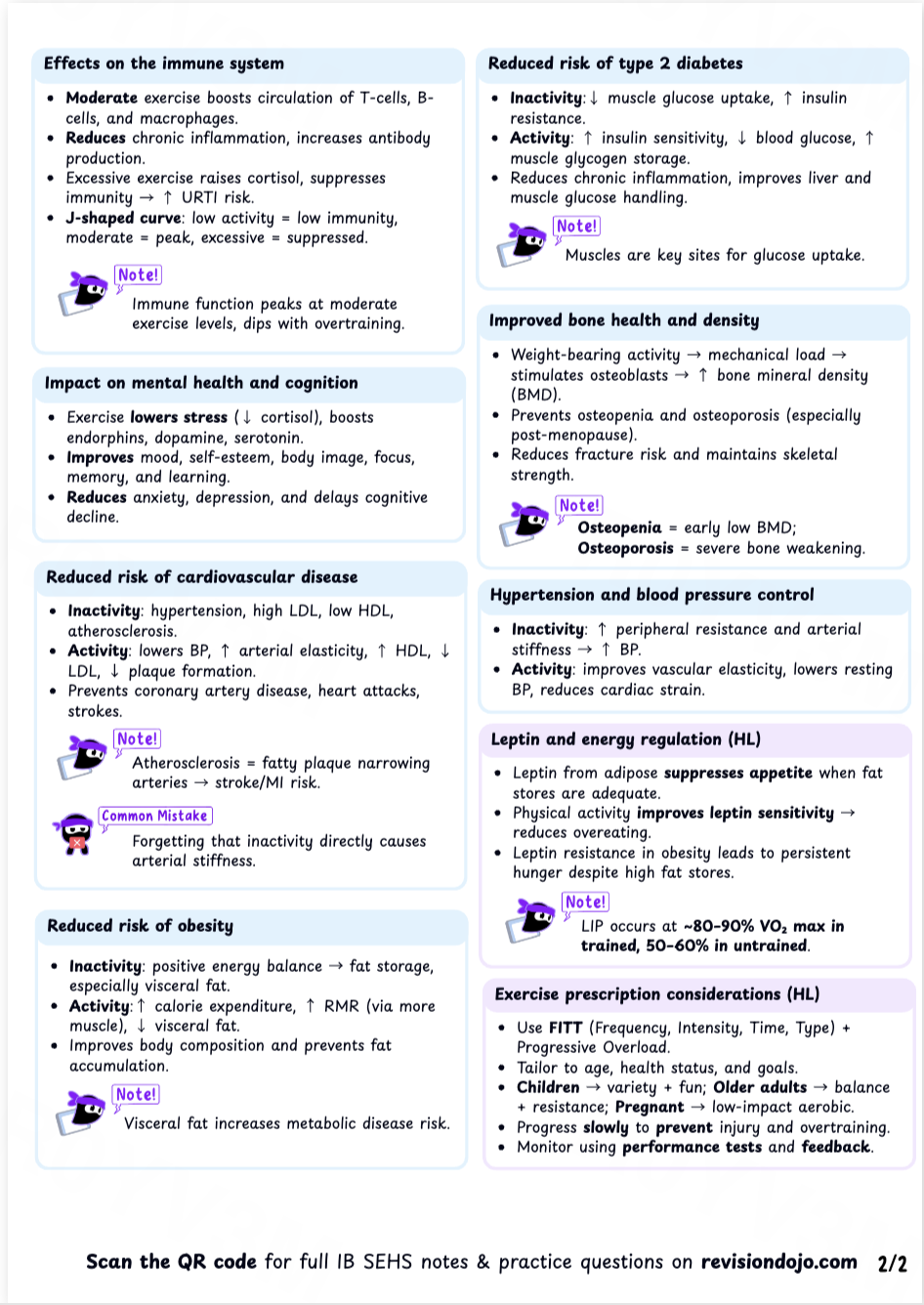
Systemic Benefits: Regular physical activity has a positive effect on both muscular system function, maintaining strength and mobility, and immune system function, enhancing the body's ability to fight off illness.
Disease Risk Reduction: An active lifestyle is a powerful tool for prevention, significantly reducing the risk of developing several chronic conditions, including osteoporosis, obesity, hypertension, cardiovascular diseases, and type 2 diabetes.
(HL Only) Exercise Prescription: Prescribing exercise requires careful consideration, especially for specific populations such as children, older adults, and pregnant individuals. It is essential to implement an appropriate progression of exercise intensity to maximize benefits while minimizing the risk of injury.
The principles of SEHS are broadly applicable. A sports, exercise, and health scientist is as proficient in prescribing exercise to improve general health and well-being in the wider population as they are in designing a training program for an aspiring elite athlete. This highlights the vital role of the discipline in public health. (Source: SEHS Guide.pdf, "Why study SEHS?")
A.3.3: Fatigue and recovery (Higher Level Only)
Overview: This higher-level sub-topic examines the complex physiological and psychological causes of fatigue during exercise. It also evaluates the various strategies and techniques that athletes use to accelerate recovery, optimize adaptation, and sustain high performance levels.
Core Concepts:
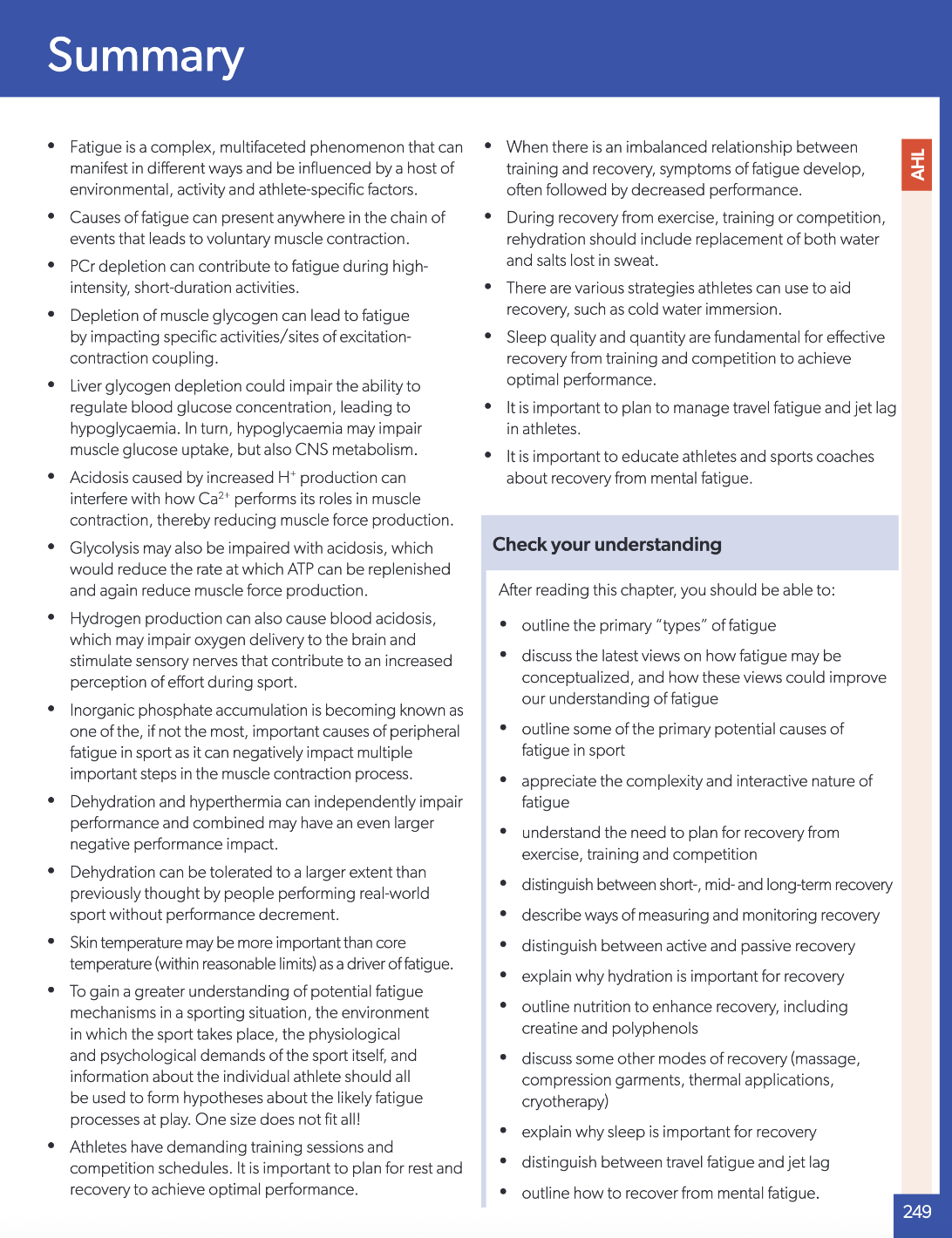
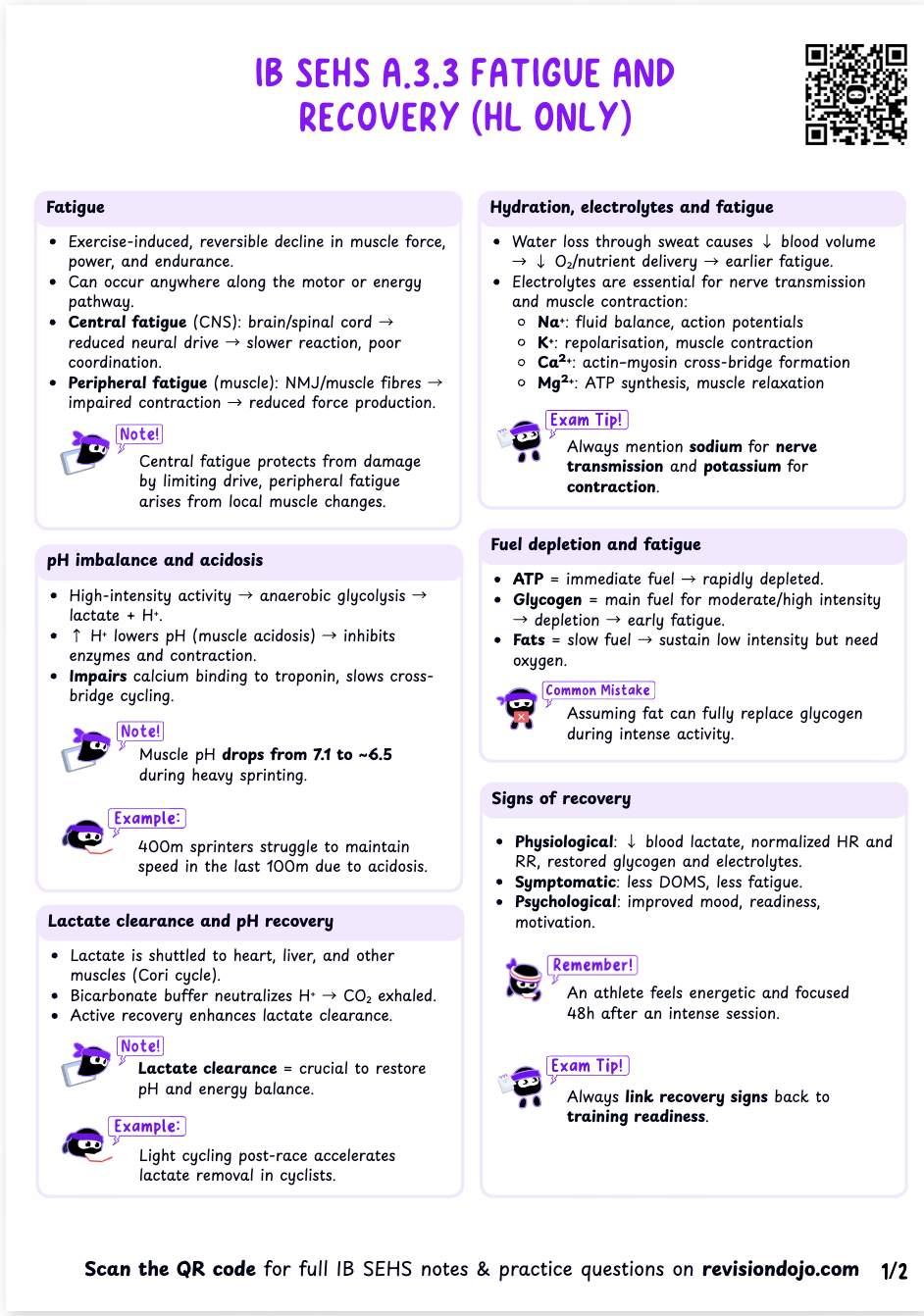
Sources of Fatigue: Fatigue is a multifactorial phenomenon. Key contributors include:
- Insufficient fuel availability: Depletion of high-energy compounds like phosphocreatine and stored carbohydrates (glycogen) in the liver and muscles.
- Metabolic by-products: Accumulation of substances that interfere with muscle function, including variations in ion concentration (sodium, potassium), acidosis (increased H+ ions), and inorganic phosphate.
- Thermoregulatory stress: Conditions like dehydration and hyperthermia (elevated core body temperature) impair cardiovascular function and performance.
Signs of Recovery: An athlete's recovery status can be assessed through various indicators:
- Physiological: e.g., reduced blood lactate concentration.
- Symptomatic: e.g., reduced muscle soreness.
- Psychological: e.g., improved preparedness for the next session.
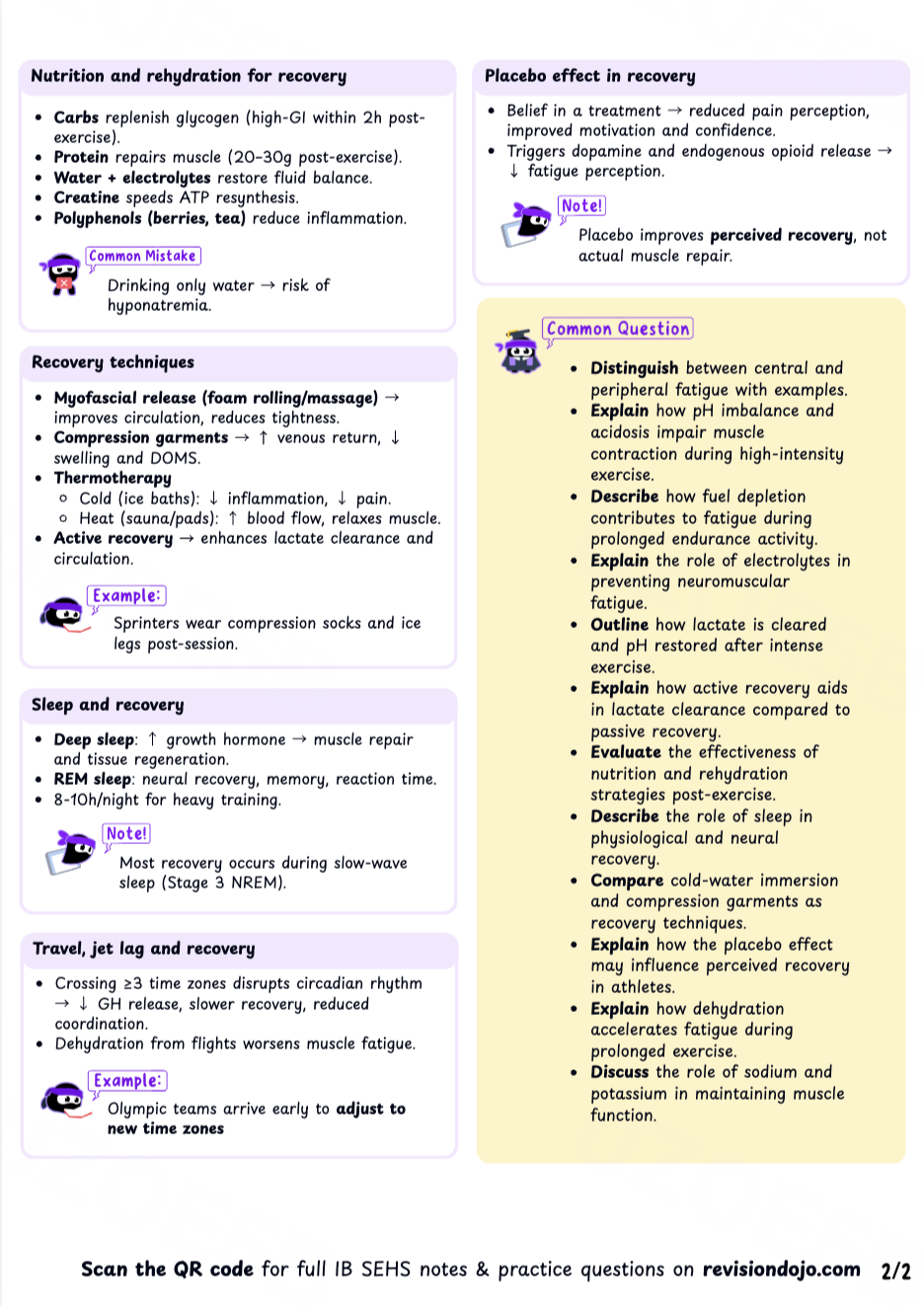
Recovery Strategies: Various strategies can be employed to enhance recovery, each with its own evidence base.
| Recovery Strategy | Evaluation/Description |
|---|---|
| Nutritional | The consumption of water is essential for rehydration. Macronutrients, particularly a combination of protein and carbohydrates, are critical for muscle repair and glycogen replenishment. Supplements like creatine monohydrate can aid in restoring phosphocreatine stores, while polyphenol-rich foods may reduce inflammation. |
| Physical Techniques | Techniques such as myofascial release (e.g., foam rolling), wearing compression garments, and thermotherapy (use of heat or cold) are evaluated for their effectiveness in reducing muscle soreness and promoting blood flow. |
| Sleep | The quality and quantity of sleep are paramount for both physiological and psychological recovery. Training load increases sleep requirements, and the effects of travel across time zones must be managed to maintain performance. |
An athlete can proactively manage the onset of fatigue during an event by carefully planning their fuel and liquid intake. Consuming carbohydrates and fluids at strategic intervals helps to spare muscle glycogen and prevent dehydration, directly addressing two major causes of performance impairment. (Source: SEHS Guide.pdf, Linking question from A.2.2.1)
Now that you have reviewed the core content, it is time to apply this detailed knowledge to exam-style questions.
This section contains practice questions designed to mimic the style of the IB SEHS exams. All questions and model answers are derived exclusively from the provided source materials to help you test your understanding of the syllabus content.
The questions below provide insight into the types of challenges you will face in Paper 1B. Unlike standard knowledge checks, this component places a distinct emphasis on data analysis and experimental work.
Success in Paper 1B requires you to apply the "Nature of Science" (NOS) skills—such as evaluating methodologies, interpreting graphs, and understanding study design—rather than simply recalling course content.
To access a complete archive of true past papers and exemplar materials for Paper 1B, please use the resource link below.
Scenario for Q5 & Q6: A study tracks a collegiate rower's physiological and psychological indicators over a 6-week intensive training mesocycle.
| Week | Reported Muscle Soreness (1-10 scale) | Reported Preparedness for Training (1-10 scale) |
|---|---|---|
| 1 | 4 | 9 |
| 2 | 5 | 8 |
| 3 | 7 | 6 |
| 4 | 8 | 4 |
| 5 | 9 | 3 |
| 6 | 9 | 2 |
Identify the week where the rower reported the lowest preparedness for training. [1 mark]
Using the data and your knowledge of training principles, explain a likely reason for the trend observed from Week 3 to Week 6. [2 marks]
State what a reduced blood lactate concentration indicates. [1 mark]
Explain how the slower return to baseline lactate levels relates to the rower's state at the end of Week 6. [2 marks]
The source materials do not contain sufficient data to create two additional, distinct data-based questions for this topic.
Intro: Define what constitutes a well-designed training program, referencing the core principles of specificity, progressive overload, and recovery from syllabus point A.3.1.1.
Body 1 (Performance): Detail how principles like progressive overload and specificity lead to physiological adaptations that enhance performance. Use the bobsled example from the source text (Paper 2, Q1.e) to illustrate how targeted strength training increases muscle power for a faster start.
Body 2 (Injury Risk): Explain how principles like recovery, variety, and proper periodization prevent non-functional overreaching and overtraining, which are major risk factors for injury. Link this to the concept of prehabilitation and appropriate warm-ups from B.3.2.1, using the cross-topic link provided in the syllabus.
Conclusion: Summarize that a balanced application of these principles is crucial for achieving sustainable athletic development by maximizing adaptation while managing fatigue and stress.
Intro: Define fatigue as a multifactorial phenomenon, a state of performance impairment resulting from various physiological stressors during exercise.
Body 1 (Causes of Fatigue): Discuss at least three distinct causes of fatigue based on syllabus point A.3.3.1. For instance, explain fuel depletion (liver and muscle glycogen), metabolic by-product accumulation (acidosis), and thermoregulatory stress (hyperthermia and dehydration) and how each impairs performance.
Body 2 (Recovery Strategies): Evaluate three distinct recovery strategies from syllabus point A.3.3.2, weighing their strengths and limitations. For example:
Nutritional Strategy (Protein/Carb Intake): Evaluate its crucial role in replenishing glycogen stores and facilitating muscle protein synthesis for repair.
Physical Technique (Compression Garments): Evaluate the evidence for its effectiveness in reducing delayed onset muscle soreness (DOMS) and improving subsequent performance.
Sleep: Evaluate its comprehensive role in hormonal regulation, psychological restoration, and physiological repair, highlighting its status as a foundational recovery tool.
Conclusion: Conclude by synthesizing that because fatigue is multifactorial, managing it and optimizing recovery requires a holistic and individualized approach that addresses both the direct causes of fatigue and the multifaceted nature of the recovery process.
No specific mathematical formulas or calculations are identified as core to Topic A.3 in the provided source material.
This section clarifies key distinctions within Topic A.3 that are often confused by students, helping you to refine your understanding and avoid common errors.
IB SEHS is an integrated science, and understanding the connections between topics is crucial for a holistic understanding and for answering synoptic exam questions. The syllabus explicitly highlights the following links for Topic A.3.
- C.3 Motivation & C.4 Stress and coping: An athlete's psychological state and readiness for training are key considerations in program design.
- B.3.2 Interventions related to injury: Proper training design, including prehabilitation and warm-ups, is a primary method of injury reduction.
- A.2.2.1 Fuelling for health and performance: Dietary intake and energy balance are intrinsically linked to the health outcomes of physical activity.
- C.4.2 Stress and coping: Exercise is a well-established strategy for coping with psychological stress.
- B.1.3 Muscular function: Fatigue directly impairs the processes of muscular contraction at the cellular level.
- C.3 Motivation: The perception of fatigue can be influenced by an individual's motivation, and vice versa.
Use this checklist to self-assess your understanding of the learning objectives for Topic A.3. Review any areas where you lack confidence before moving on.
- I can explain the common training principles that direct programme design (specificity, progressive overload, etc.).
- I can define and differentiate between macro-, meso-, and microcycles.
- I can describe the individual factors (e.g., age, sex, menstrual cycle) that training programmes need to consider.
- I can distinguish between non-functional overreaching and overtraining.
- I can explain the key health benefits of an active lifestyle, including the reduced risk of specific chronic diseases.
- I can explain the basic components of energy balance.
- (HL Only) I can discuss the considerations for prescribing exercise to specific populations (e.g., children, older adults, pregnant individuals).
- (HL Only) I can identify and explain the multiple physiological sources of fatigue (e.g., fuel depletion, acidosis, hyperthermia).
- (HL Only) I can describe the physiological, symptomatic, and psychological indicators of recovery.
- (HL Only) I can evaluate various nutritional, physical, and sleep-based recovery strategies.
🎉 Topic A.3: Response Mastered!
You now have the knowledge and exam strategies to excel in questions on training principles, health benefits of activity, and fatigue & recovery. Apply these concepts to optimize performance and promote lifelong health!